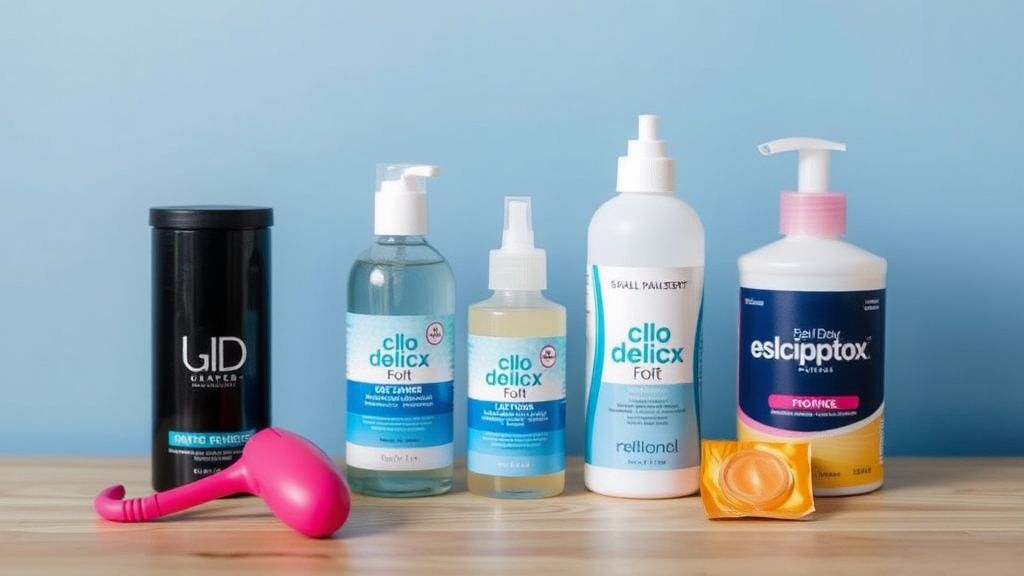
Why Long-Lasting Lubricants Matter
A quality lubricant enhances comfort, reduces friction, and prolongs pleasure—but not all formulas are created equal. Long-lasting lubricants are designed to maintain their slickness over extended periods, minimizing interruptions for reapplication. Whether used solo, with a partner, or with toys, these lubricants can improve intimacy while prioritizing safety and skin health.
This guide explores the types of long-lasting lubricants, their key features, and how to choose the right one for your needs—without compromising on safety or comfort.
Types of Long-Lasting Lubricants
1. Silicone-Based Lubricants
Silicone lubricants are renowned for their longevity. Unlike water-based options, they don’t evaporate or absorb into the skin, making them ideal for extended sessions. They’re also waterproof, which adds versatility for shower or pool use.
Best for:
- Extended play without frequent reapplication
- Water-based activities
- Those who prefer a silkier, non-sticky feel
Considerations:
- Not compatible with silicone toys (can degrade the material)
- May require soap and water for thorough cleanup
2. Hybrid Lubricants
Hybrids blend water-based and silicone formulas, offering the best of both worlds: the long-lasting properties of silicone with the easy cleanup of water-based lubes. They’re often gentler on sensitive skin than pure silicone options.
Best for:
- Those who want longevity but easier cleanup
- Compatibility with most sex toys (check labels for silicone content)
3. Water-Based Lubricants (Long-Wear Variants)
While standard water-based lubes absorb quickly, some are formulated with ingredients like cellulose or glycerin to extend wear time. These are generally safe for all toy materials and condoms.
Best for:
- Toy-friendly use (silicone, glass, etc.)
- Sensitive skin (opt for glycerin-free if prone to irritation)
Considerations:
- May still require occasional reapplication
- Stickier texture as they dry
Key Features to Prioritize
1. Body-Safe Ingredients
Avoid lubes with parabens, glycerin (for those prone to yeast infections), or irritating fragrances. Look for:
- pH-balanced formulas (especially for vaginal use)
- Osmolality-safe (to prevent tissue damage)
- Hypoallergenic options if sensitive
2. Compatibility
- With condoms: Most water-based and silicone lubes are safe; avoid oil-based with latex.
- With toys: Silicone lubes can damage silicone toys; water-based or hybrids are safer.
3. Texture & Feel
- Silicone: Ultra-slick, thinner consistency
- Hybrid: Smooth, less oily than pure silicone
- Water-based: Varies from thin to gel-like
How to Maximize Longevity
Even the longest-lasting lubricants benefit from proper application:
- Start with a small amount—you can always add more.
- Reapply as needed, especially with water-based formulas.
- Store properly—keep lids sealed to prevent evaporation or contamination.
What to Look for When Buying
- Duration claims: Silicone or hybrid lubes often last longest.
- Ingredients: Avoid irritants like glycerin (if sensitive), parabens, or non-body-safe additives.
- Versatility: Choose waterproof options for aquatic play or hybrids for toy compatibility.
- Packaging: Pump bottles or squeeze tubes reduce contamination risk vs. jars.
Safety First
Always patch-test a new lube on a small skin area before full use. Discontinue use if irritation occurs. For condom users, ensure the lube is compatible with your condom material (e.g., avoid oil-based with latex).
Final Thoughts
Long-lasting lubricants can transform your intimate experiences by reducing friction and maintaining comfort. Whether you prioritize toy compatibility, sensitivity, or waterproof performance, there’s a formula to match. By focusing on body-safe ingredients and proper use, you can enjoy extended pleasure with confidence.