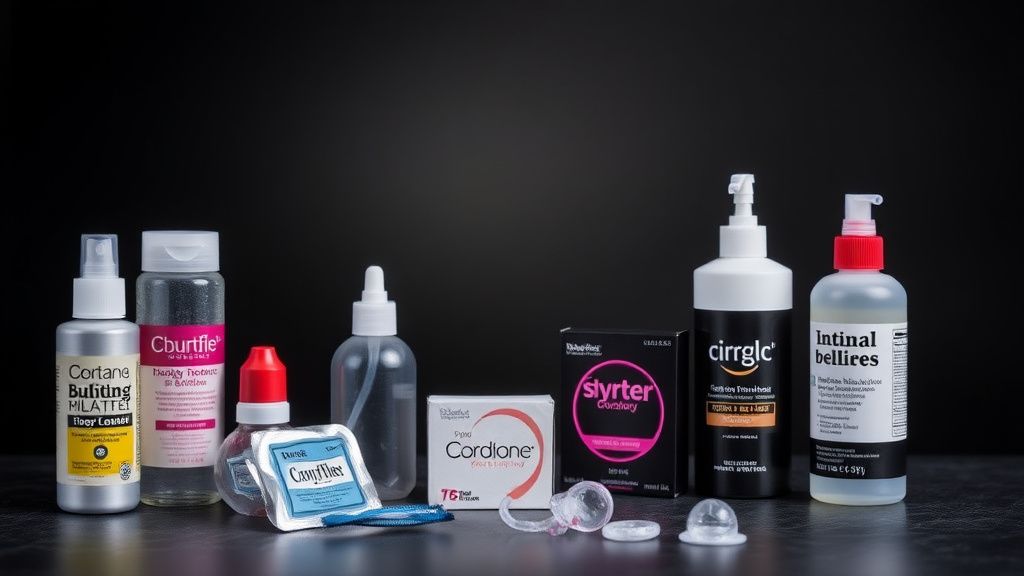
The Role of Lubricants in Sexual Wellness
Lubricants play a vital role in enhancing comfort, reducing friction, and improving intimacy during sexual activity. Whether used solo or with a partner, a high-quality lubricant can make a significant difference in the overall experience. However, not all lubricants are created equal. Understanding the ingredients in lubricants is essential for ensuring safety, effectiveness, and compatibility with your body and lifestyle.
Common Lubricant Types and Their Bases
Lubricants are typically categorized based on their primary ingredient or base. Here’s a breakdown of the most common types:
Water-Based Lubricants
Water-based lubricants are the most versatile and widely used. They are compatible with all types of sexual activity, including use with condoms and sex toys. These lubricants are easy to clean and typically feel lightweight on the skin. However, they may require reapplication more frequently than other types, as they can dry out over time.
Key Ingredients: Purified water, glycerin, and cellulose derivatives are common.
Silicone-Based Lubricants
Silicone-based lubricants are long-lasting and provide a silky-smooth texture. They are ideal for water-based activities, such as in the shower or pool, as they don’t wash away easily. They are also safe to use with condoms but may degrade silicone sex toys over time.
Key Ingredients: Dimethicone and cyclomethicone are common silicone compounds.
Oil-Based Lubricants
Oil-based lubricants are less common and are not recommended for use with latex condoms, as they can weaken the material and increase the risk of breakage. These lubricants are thicker and longer-lasting but can be harder to clean and may clog pores, leading to potential skin irritation.
Key Ingredients: Common oils include coconut oil, mineral oil, and petroleum-based products.
Hybrid Lubricants
Hybrid lubricants combine water-based and silicone-based formulas, offering the benefits of both. They are long-lasting, easy to clean, and safe for use with condoms and most sex toys.
Key Ingredients: A blend of water, silicone compounds, and emulsifiers.
Ingredients to Look For in Lubricants
When selecting a lubricant, prioritize products with safe, body-friendly ingredients. Here are some key components to look for:
Natural Ingredients
Lubricants made with natural or organic ingredients are often gentler on sensitive skin. Look for products containing aloe vera, chamomile, or vitamin E, which can soothe and hydrate the skin.
pH-Balanced Formulas
A lubricant with a pH-balanced formula helps maintain the natural acidity of the vaginal environment, reducing the risk of irritation or infections.
Paraben-Free and Preservative-Free
Parabens and certain preservatives can cause irritation or allergic reactions in some individuals. Opt for lubricants that are free from these additives.
Non-Glycerin Formulas
While glycerin is a common humectant in water-based lubricants, it can sometimes lead to yeast infections in individuals prone to them. If this is a concern, choose glycerin-free options.
Ingredients to Avoid in Lubricants
Some lubricant ingredients can cause irritation, discomfort, or even harm. Here’s what to steer clear of:
Synthetic Fragrances and Dyes
Artificial fragrances and dyes can irritate sensitive skin and disrupt the natural balance of the genital area. Avoid products that list these ingredients unless they are derived from natural sources.
Petroleum-Based Oils
Petroleum-based oils, such as mineral oil, can clog pores and increase the risk of bacterial infections. They are also not safe for use with latex condoms.
Alcohol
Alcohol can dry out the skin and cause stinging or irritation, especially in sensitive areas.
Nonoxynol-9
This spermicidal ingredient is sometimes added to lubricants but can cause irritation and increase the risk of infections. It’s best to avoid lubricants containing Nonoxynol-9 unless specifically recommended by a healthcare provider.
Special Considerations for Sensitive Skin
Individuals with sensitive skin or conditions like vulvodynia, eczema, or psoriasis should take extra care when selecting a lubricant. Look for hypoallergenic, fragrance-free, and dermatologist-tested products. Patch testing a small amount of lubricant on the inner arm before use can help identify potential reactions.
Compatibility with Condoms and Sex Toys
Always check the compatibility of a lubricant with condoms and sex toys. Water-based and hybrid lubricants are universally safe for both. Silicone-based lubricants should not be used with silicone toys, as they can degrade the material over time. Oil-based lubricants should never be used with latex condoms.
What to Look For: Quick Buying Tips
When shopping for lubricants, keep these practical tips in mind:
- Check the Base: Choose water-based for versatility, silicone-based for longevity, or hybrid for the best of both worlds.
- Read the Label: Avoid harmful ingredients like synthetic fragrances, petroleum-based oils, and Nonoxynol-9.
- Prioritize Natural and pH-Balanced Formulas: These are gentler on the skin and maintain a healthy vaginal environment.
- Consider Your Needs: Opt for glycerin-free if prone to yeast infections, or hypoallergenic if you have sensitive skin.
- Test Compatibility: Ensure the lubricant is safe for use with condoms and sex toys.
By understanding lubricant ingredients and their effects, you can make informed choices that enhance your sexual wellness while prioritizing safety and comfort.