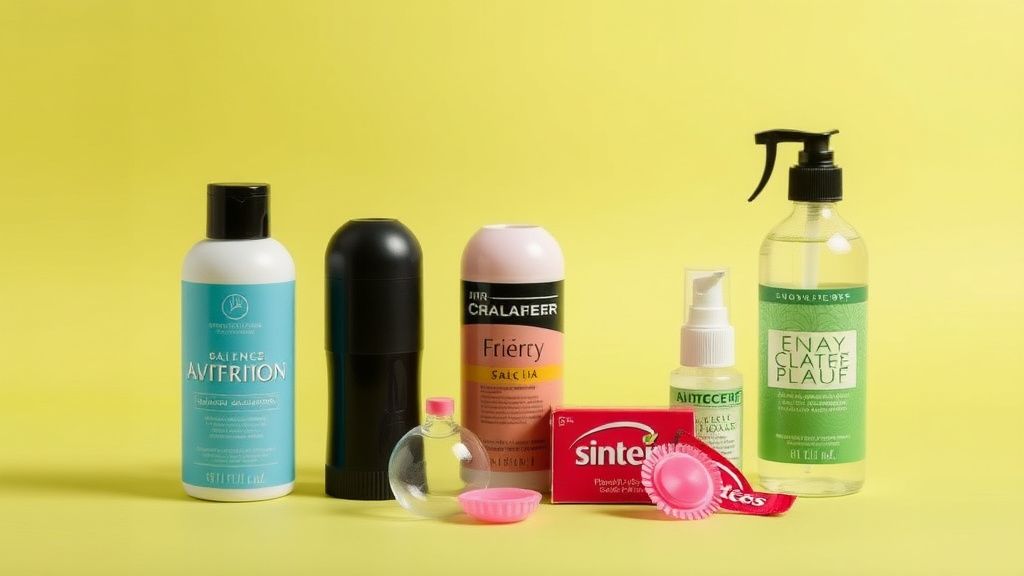
Understanding Allergies: Choosing Hypoallergenic Intimacy Products
Allergic reactions to intimacy products—whether lubricants, condoms, or toys—can disrupt comfort and safety during intimate moments. Many people experience irritation, redness, or discomfort without realizing the cause lies in common allergens like latex, glycerin, or synthetic additives. Hypoallergenic products minimize these risks by avoiding known irritants. This guide explores how to identify and select safer options for sensitive skin.
Common Allergens in Intimacy Products
- Latex: Found in many condoms and some toys, latex can trigger reactions ranging from mild itching to severe swelling.
- Glycerin & Parabens: Often in lubricants, glycerin (a sugar alcohol) can promote yeast infections, while parabens (preservatives) may irritate sensitive skin.
- Synthetic Fragrances/Dyes: Added to scented lubes or toys, these can cause contact dermatitis.
- Silicone Additives: While pure medical-grade silicone is generally safe, cheaper blends may contain irritants.
Hypoallergenic Alternatives by Product Type
Lubricants
- Water-Based: Opt for glycerin-free, paraben-free formulas with simple ingredients like cellulose or aloe vera.
- Silicone-Based: Choose 100% medical-grade silicone (not blends) for longer-lasting glide without stickiness.
- Oil-Based: Best for non-latex condoms; avoid petroleum if prone to infections.
Condoms
- Latex-Free Materials: Polyurethane or polyisoprene condoms offer similar protection without latex allergens.
- Lube Compatibility: Ensure pre-lubricated condoms use hypoallergenic formulas.
Toys
- Body-Safe Materials: Look for non-porous options like pure silicone, glass, or stainless steel (avoid “jelly rubber” or PVC).
- Smooth Surfaces: Seamless designs reduce bacterial buildup and irritation risk.
Cleaners
- Fragrance-Free & pH-Balanced: Avoid harsh soaps; opt for toy cleaners with mild ingredients like lactic acid.
Signs of an Allergic Reaction
- Skin: Redness, itching, swelling, or rash.
- Internal: Discomfort, burning, or unusual discharge (common with glycerin-heavy lubes).
Discontinue use immediately if symptoms arise and consult a healthcare provider.
What to Look for When Shopping
- Labels: Terms like “hypoallergenic,” “fragrance-free,” or “phthalate-free” indicate safer formulations.
- Ingredient Lists: Shorter lists with recognizable components (e.g., aloe, silicone) are preferable.
- Certifications: Check for FDA-approved materials or dermatologist-tested claims.
- Patch Test: Apply a small amount of lube or cleaner to your inner elbow and wait 24 hours to check for reactions.
Final Tips for Sensitive Users
- Storage: Keep products in a cool, dry place to prevent material degradation.
- Expiration: Discard old lubricants or condoms, as expired ingredients may become irritants.
- Layering: For condom users, pair latex-free options with compatible lubes to avoid chemical interactions.
By prioritizing hypoallergenic materials and mindful product selection, you can enhance both safety and comfort during intimate moments. Always prioritize your body’s signals—when in doubt, consult a specialist.