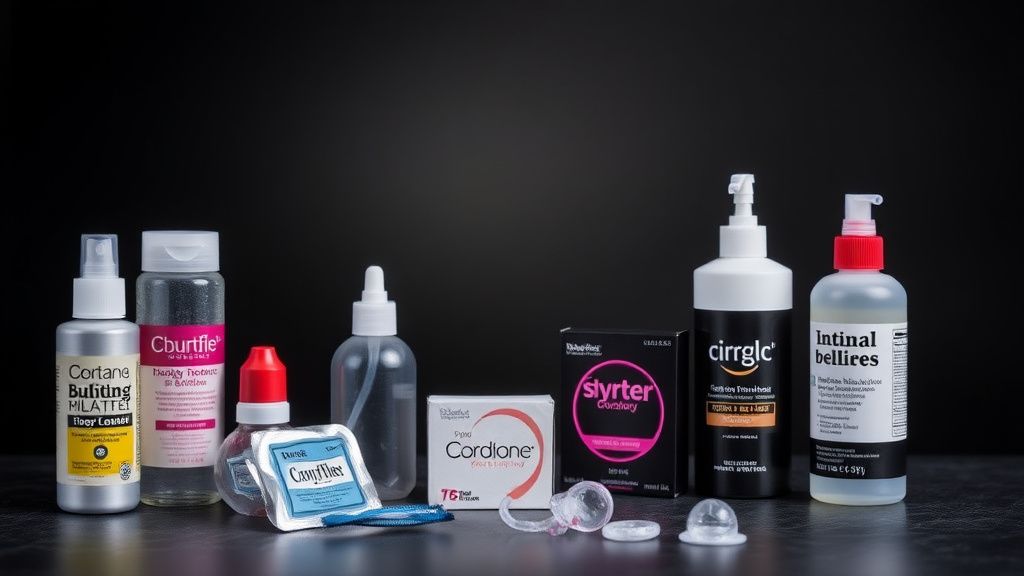
Why Toy Cleaning Sprays Are Essential for Sexual Wellness
Maintaining hygiene for intimacy products is non-negotiable—bacteria, mold, and residue can compromise safety and performance. Toy cleaning sprays offer a quick, effective way to sanitize without harsh scrubbing or prolonged soaking. Unlike soap and water (which may leave residues) or boiling (which can damage some materials), sprays are formulated to disinfect while preserving toy integrity.
This guide covers top-rated toy cleaning sprays, their key features, and how to choose the best one for your needs—whether you’re cleaning silicone, ABS plastic, or other body-safe materials.
Types of Toy Cleaning Sprays
1. Alcohol-Free Disinfectant Sprays
Ideal for sensitive skin and porous materials like TPE/TPR, these sprays use ingredients like benzalkonium chloride or hydrogen peroxide to kill microbes without drying out toys. They often leave no residue and dry quickly.
2. Silicone-Safe Sanitizing Sprays
Formulated specifically for high-end silicone toys, these sprays avoid harsh chemicals that could degrade the material over time. Look for pH-balanced options to prevent irritation.
3. Foaming or Mist Sprays
Foaming sprays cling to surfaces for deeper cleaning, while fine mists work well for hard-to-reach areas (e.g., textured toys). Foam variants often require rinsing, whereas some mists are no-rinse.
4. Natural/Organic Sprays
Made with plant-based antimicrobials (e.g., tea tree oil, citric acid), these are gentler but may require longer contact time to disinfect fully. Best for those avoiding synthetic ingredients.
Key Features of Effective Toy Cleaners
- Broad-Spectrum Antimicrobial Action: Kills bacteria, yeast, and viruses (check for efficacy against STI-related pathogens if needed).
- Non-Toxic & Body-Safe: Free from parabens, phthalates, and irritants like SLS.
- Material Compatibility: Safe for silicone, glass, metal, and non-porous plastics (avoid sprays with alcohol for TPE/TPR).
- Quick Drying: No sticky residue or prolonged waiting before reuse.
- Odor-Neutralizing: Eliminates lingering smells without heavy fragrances.
How to Use Toy Cleaning Sprays Correctly
- Pre-Clean: Rinse off visible debris with water.
- Spray Generously: Coat the entire surface, including seams or ridges.
- Let Sit: Allow the recommended contact time (usually 30–60 seconds).
- Wipe or Rinse: Follow product instructions—some require rinsing, others air-drying.
- Store Properly: Ensure toys are fully dry before storage to prevent moisture buildup.
Note: Avoid spraying directly onto electronic components (e.g., vibrator motors). Use a cloth dampened with cleaner instead.
What to Look for When Buying a Toy Cleaning Spray
- Certifications: FDA-cleared or EPA-registered disinfectants offer verified safety.
- Ingredient Transparency: Avoid vague terms like “proprietary blend.”
- Travel-Friendly Options: Leak-proof bottles or travel-size formats for discretion.
- Multi-Use Claims: Some sprays double as mattress or lingerie cleaners—useful for broader hygiene.
Final Tips for Long-Term Toy Care
- Clean toys before and after each use.
- Replace sprays every 6–12 months (active ingredients degrade over time).
- Pair sprays with regular deep-cleaning (e.g., UV sterilizers for non-porous toys).
Prioritizing hygiene extends the life of your toys and safeguards intimate health. Choose a spray that aligns with your materials and lifestyle for effortless, effective cleaning.