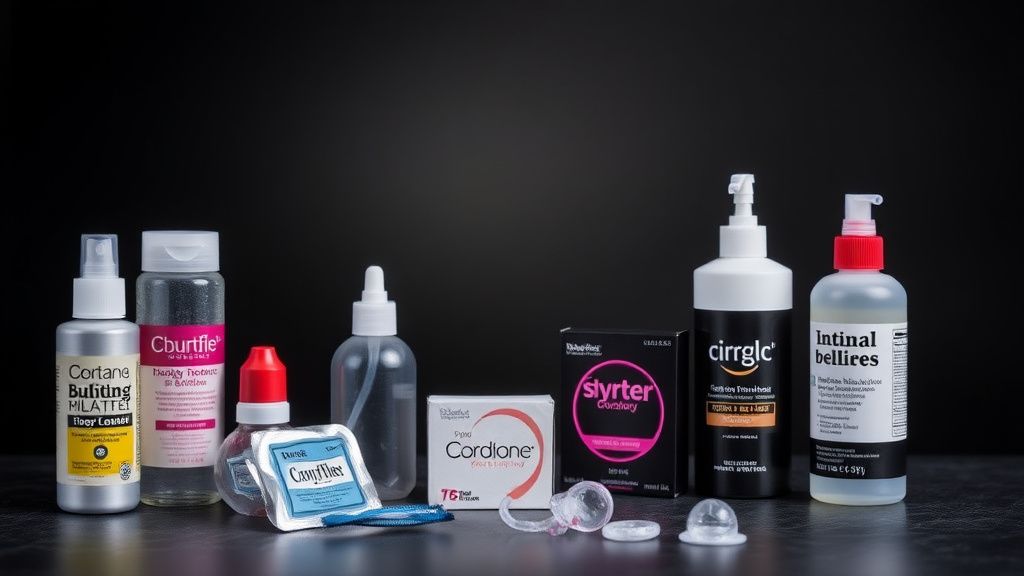
The Ultimate Guide to Water-Based vs. Silicone Lubricants with Condoms
Choosing the right lubricant can enhance comfort, safety, and pleasure when using condoms. However, not all lubes are created equal—especially when paired with latex or polyurethane condoms. This guide compares water-based and silicone-based lubricants, their pros and cons, and how to select the best option for your needs.
Why Lubricant Choice Matters with Condoms
Condoms are designed to reduce friction, but adding lubricant can prevent breakage, irritation, and discomfort. The wrong type, however, can degrade latex or cause infections. Key considerations:
- Latex compatibility: Oil-based lubes (e.g., coconut oil, petroleum jelly) weaken latex condoms, increasing breakage risk. Stick to water-based or silicone.
- Sensitivity: Some lubes contain glycerin or parabens, which may cause yeast infections or irritation.
- Longevity: Silicone lasts longer; water-based may need reapplication.
Water-Based Lubricants: Pros and Cons
Advantages
- Condom-safe: Works with all condom materials (latex, polyurethane, polyisoprene).
- Easy cleanup: Washes off with water and won’t stain fabrics.
- Versatile: Safe with silicone toys (unlike silicone lube, which can degrade silicone toys).
- Formula variety: Often available in flavors, cooling/warming effects, or hypoallergenic options.
Disadvantages
- Shorter-lasting: Dries out faster, requiring reapplication during extended use.
- Texture changes: Can get sticky or tacky as it evaporates.
- Additives: Some contain glycerin (a sugar alcohol) that may disrupt vaginal pH.
Best for: Those who prioritize compatibility with toys, prefer easy cleanup, or have sensitive skin (opt for glycerin-/paraben-free formulas).
Silicone-Based Lubricants: Pros and Cons
Advantages
- Long-lasting: Stays slick even with prolonged use, ideal for water play (showers, pools).
- Silky texture: Provides a smoother glide than water-based options.
- Condom-safe: Compatible with latex and non-latex condoms (but not silicone toys).
Disadvantages
- Harder to clean: Requires soap and water; can stain sheets.
- Silicone toy risk: Can degrade silicone-based toys over time.
- Fewer additives: Rarely available in flavors or warming/cooling variants.
Best for: Those seeking long-lasting moisture, or for use in water. Avoid if using silicone toys.
Safety and Sensitivity Considerations
- pH-balanced formulas: Vaginal health thrives at pH 3.8–4.5. Look for lubes labeled “pH-balanced” to avoid irritation.
- Osmolality: High-osmolality lubes (e.g., some water-based) can draw moisture from cells, causing dryness. Opt for isotonic or low-osmolality options.
- Allergens: Avoid parabens, glycerin (if prone to yeast infections), and fragrances if sensitive.
Tip: Patch-test new lubes on your inner wrist before use.
What to Look for When Buying
For Water-Based Lubricants
- Ingredients: Aloe vera, hyaluronic acid, or plant-based glycerin alternatives for hydration.
- Thickness: Thicker gels last longer; thinner liquids feel more natural.
- Additives: Avoid unnecessary dyes or flavors if sensitive.
For Silicone-Based Lubricants
- Purity: Dimethicone or cyclomethicone are common; fewer ingredients = lower irritation risk.
- Compatibility: Check condom/toy materials (never pair with silicone toys).
Universal Tips:
- Choose brands that disclose full ingredient lists.
- Prioritize condom-safe labels (even if water/silicone-based).
- Small bottles are great for testing before committing.
Final Thoughts
Both water-based and silicone lubricants are safe with condoms, but their best uses differ. Water-based is ideal for toy compatibility and easy cleanup, while silicone excels in longevity and slickness. Always prioritize body-safe ingredients and patch-test new products. With the right lube, you can enhance safety and pleasure without compromise.