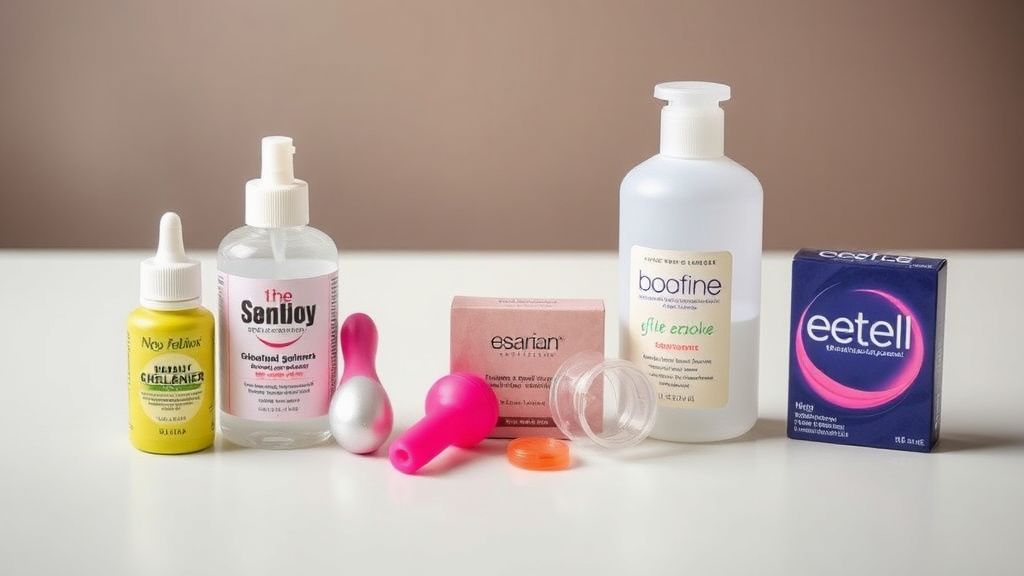
The Ultimate Guide to Sex Toy Hygiene: Cleaning & Care
Keeping your intimate toys clean isn’t just about longevity—it’s about safety. Proper hygiene prevents bacterial growth, material degradation, and potential infections. Whether you’re a first-time owner or a seasoned enthusiast, this guide covers everything you need to know about cleaning and caring for your toys.
Why Hygiene Matters
Sex toys come into contact with sensitive areas, making cleanliness non-negotiable. Poor hygiene can lead to:
- Bacterial or fungal infections (e.g., UTIs, yeast infections)
- Material breakdown, causing porous surfaces to harbor germs
- Skin irritation from residue or chemical reactions
Regular cleaning preserves your toy’s functionality and ensures safe, worry-free use.
Know Your Toy’s Material
Different materials require different care. Here’s a breakdown of common types:
Non-Porous Materials (Easiest to Clean)
- Silicone (medical or platinum-grade): Hypoallergenic, durable, and boilable.
- Stainless Steel/Glass: Non-porous, can withstand high heat and strong cleaners.
- ABS Plastic: Smooth, non-porous, and resistant to bacteria.
Cleaning Tip: These can often be sterilized by boiling (check manufacturer guidelines) or wiped with 70% isopropyl alcohol.
Porous Materials (Require Extra Care)
- TPE/TPR: Softer and flexible but can trap bacteria over time.
- Jelly Rubber: Prone to degradation and may contain phthalates.
- Latex: Can degrade with oil-based lubes and requires gentle cleaning.
Cleaning Tip: Use mild soap and warm water, and avoid harsh chemicals. Replace porous toys more frequently (every 6–12 months).
Step-by-Step Cleaning Guide
1. Post-Use Cleaning (Every Time)
- Rinse immediately: Warm water removes bodily fluids and lubricant residue.
- Use a mild cleanser: Opt for pH-balanced, fragrance-free soap or a dedicated toy cleaner. Avoid antibacterial soaps with triclosan, which can disrupt natural flora.
- Scrub gently: Use a soft cloth or designated brush (avoid abrasive sponges).
2. Deep Cleaning (Weekly or After Shared Use)
- Boiling: Safe for silicone, glass, and metal (5–10 minutes).
- Bleach solution (10%): For non-electronic silicone toys; rinse thoroughly.
- UV sterilizers: Effective for killing microbes without chemicals.
3. Drying & Storage
- Pat dry with a clean towel or air-dry completely before storing.
- Store in a breathable container (e.g., cotton bag) away from direct sunlight. Avoid airtight plastic bags, which can promote moisture buildup.
Special Considerations
Motorized or Electronic Toys
- Never submerge unless labeled waterproof (check IPX ratings).
- Wipe controls and seams with a damp cloth and alcohol wipe (avoid ports).
- Remove batteries after use to prevent corrosion.
Dual-Density or Textured Toys
- Pay attention to crevices where bacteria can hide.
- Use a soft-bristle brush for intricate designs.
Choosing the Right Cleaning Products
Not all cleaners are created equal. Look for:
- Toy-specific cleaners: pH-balanced and free of parabens or glycerin.
- Alcohol-based wipes: Convenient for quick disinfection (non-porous only).
- Hypoallergenic options: For sensitive skin or allergy-prone users.
Avoid: Harsh chemicals (bleach on non-silicone toys), oil-based soaps (can degrade materials), or scented sprays.
Sharing Toys? Extra Precautions Apply
If sharing with a partner:
- Use condoms on porous toys (replace between users).
- Sterilize non-porous toys before switching partners.
- Avoid sharing toys if either partner has an STI or infection.
When to Replace Your Toy
Even with proper care, toys don’t last forever. Replace if you notice:
- Odors or discoloration that won’t wash off.
- Cracks, tears, or sticky surfaces (especially in TPE/TPR).
- Electrical issues like frayed wires or erratic vibrations.
What to Look for When Buying (Hygiene-Focused Features)
When shopping for new toys, prioritize hygiene-friendly traits:
- Non-porous materials like medical-grade silicone or stainless steel.
- Waterproof designs for easier cleaning (IPX7 rating or higher).
- Smooth surfaces without hard-to-clean textures.
- Reputable brands that disclose materials and care instructions.
Pro Tip: If a product’s packaging doesn’t list materials or cleaning guidelines, consider it a red flag.
Final Thoughts
A clean toy is a safe toy. By understanding your toy’s material, using the right cleaning methods, and storing it properly, you’ll enjoy both peace of mind and a longer-lasting product. Prioritize hygiene—it’s an integral part of sexual wellness.