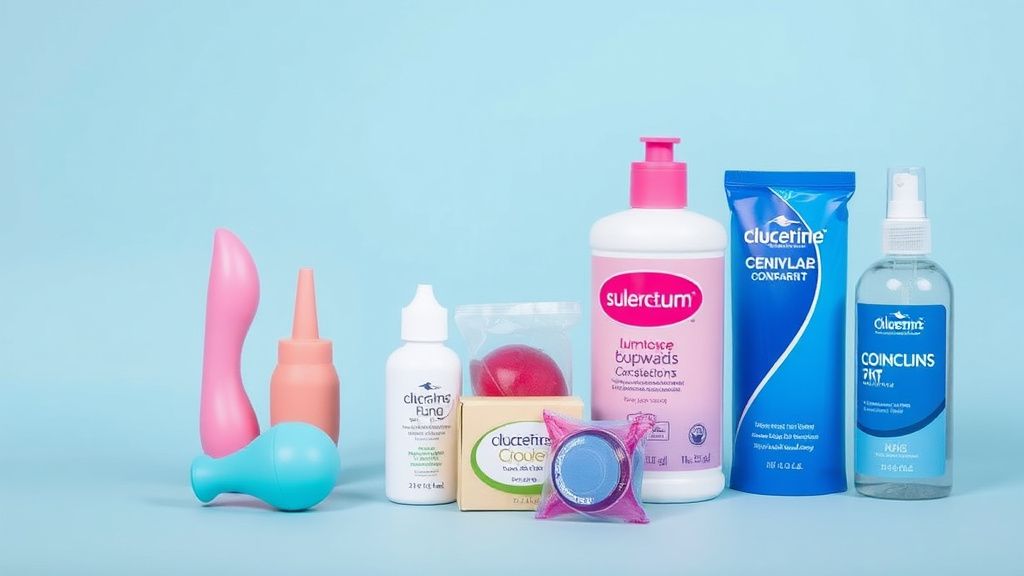
The Safest Lubricants to Use with Condoms: A Comprehensive Review
Using the right lubricant with condoms is crucial for safety, comfort, and effectiveness. The wrong choice can compromise the integrity of latex or polyurethane condoms, increasing the risk of breakage or irritation. This guide explores the safest lubricant options, their properties, and how to select the best one for your needs.
Why Lubricant Safety Matters with Condoms
Condoms are designed to provide a barrier against pregnancy and sexually transmitted infections (STIs), but not all lubricants are compatible with them. Oil-based lubes, for example, degrade latex condoms, making them porous and prone to tearing. Even some silicone or water-based lubricants may contain ingredients that cause irritation or affect condom durability.
A safe lubricant should:
- Be compatible with latex, polyisoprene, or polyurethane condoms.
- Have a pH-balanced formula to avoid disrupting natural flora.
- Be free of glycerin, parabens, and fragrances if sensitivity is a concern.
Types of Condom-Safe Lubricants
1. Water-Based Lubricants
The most widely recommended type for use with condoms, water-based lubes are safe for all condom materials and easy to clean. They’re also less likely to cause irritation, making them ideal for sensitive skin.
Key Features:
- Non-greasy and lightweight.
- Often formulated with skin-friendly ingredients like aloe vera or hyaluronic acid.
- May require reapplication as they absorb into the skin over time.
Best For: Everyday use, especially for those who prefer a natural feel.
2. Silicone-Based Lubricants
Silicone lubes are longer-lasting than water-based options and provide a silky-smooth glide. They’re safe with latex and polyurethane condoms but should not be used with silicone sex toys, as they can degrade the material.
Key Features:
- Waterproof and long-lasting.
- Ideal for extended intimacy or water-based activities.
- A little goes a long way—overuse can make cleanup trickier.
Best For: Situations where durability is key, such as in showers or pools.
3. Hybrid Lubricants
These combine water and silicone bases, offering the best of both worlds: the longevity of silicone with the ease of cleanup of water-based lubes. They’re generally condom-safe but always check labels for compatibility.
Key Features:
- Smooth texture with extended playtime.
- Less sticky than pure water-based lubes.
- Often free of common irritants.
Best For: Those who want a balance between longevity and comfort.
Ingredients to Avoid
When selecting a lubricant for condom use, steer clear of:
- Oil-based ingredients (e.g., petroleum jelly, coconut oil, mineral oil) – these weaken latex.
- Glycerin – can lead to yeast infections in some individuals.
- Parabens and artificial fragrances – may cause irritation or allergic reactions.
- High-osmolarity formulas – these can disrupt natural moisture balance.
Special Considerations
For Sensitive Skin
Look for hypoallergenic, fragrance-free, and glycerin-free formulas. Ingredients like chamomile or vitamin E can provide soothing benefits.
For Latex-Free Condoms
Polyurethane and polyisoprene condoms are less likely to react with lubricants, but it’s still wise to avoid oil-based options unless specified as safe by the manufacturer.
What to Look for When Buying
Here’s a quick checklist for selecting the safest lubricant for condom use:
- Compatibility – Ensure the label states it’s safe for latex or polyurethane condoms.
- Ingredients – Avoid oils, glycerin, and harsh chemicals if you have sensitivities.
- Texture Preference – Do you want something light and natural-feeling (water-based) or long-lasting (silicone)?
- pH-Balanced – A pH between 3.5 and 4.5 helps maintain natural balance.
- Brand Transparency – Reputable brands disclose full ingredient lists and safety testing.
Final Thoughts
Choosing the right lubricant enhances safety and pleasure when using condoms. Water-based and silicone-based options are the top recommendations, while hybrid lubes offer a versatile middle ground. Always check labels, prioritize body-safe ingredients, and consider personal sensitivities when making a selection.
By making informed choices, you can ensure a seamless and secure experience every time.