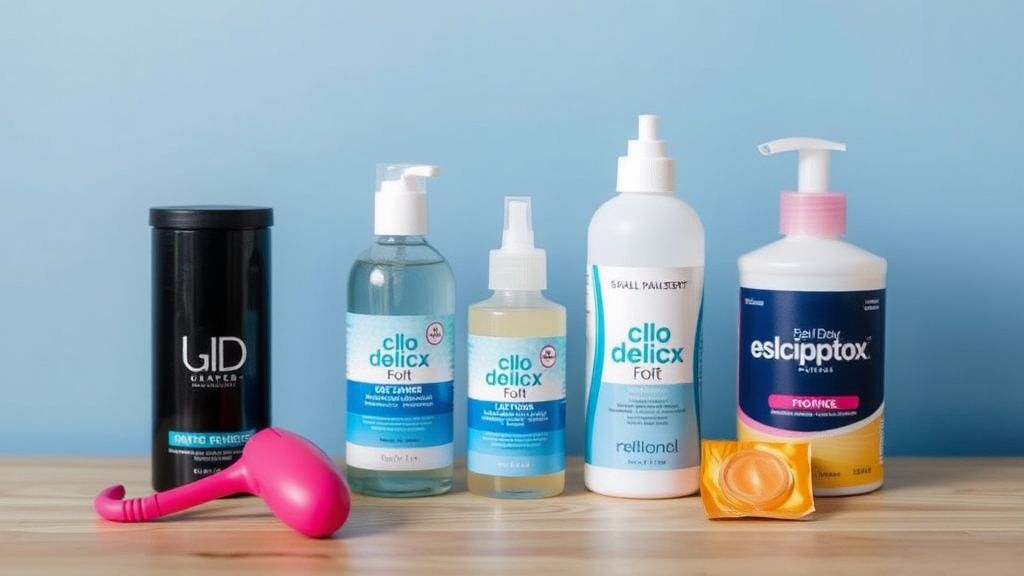
The Safe Use of Intimate Sprays and Deodorants
Maintaining personal hygiene is an important aspect of sexual wellness, and intimate sprays and deodorants can play a role in keeping the genital area fresh. However, improper use can lead to irritation or infections. This guide explores how to use these products safely, what to look for when choosing one, and key considerations for maintaining intimate health.
Understanding Intimate Sprays and Deodorants
Intimate sprays and deodorants are specially formulated products designed to neutralize odors and provide a light, fresh scent in the genital area. Unlike regular body sprays or perfumes, they are typically pH-balanced to match the delicate skin of the vulva and surrounding areas.
Types of Products
- Intimate Sprays – Lightweight mists applied externally to freshen up. Some contain mild antiseptic or soothing ingredients like aloe vera.
- Intimate Deodorants – Often cream or stick-based, designed for longer-lasting odor control. Some are talc-free to reduce irritation risks.
- pH-Balanced Washes – While not sprays or deodorants, these gentle cleansers can help maintain natural balance, reducing the need for additional products.
Safety Considerations
The genital area is sensitive, and using the wrong products can disrupt natural pH levels or cause irritation. Here’s what to keep in mind:
Avoid Harsh Ingredients
- Alcohol – Can dry out skin and increase irritation.
- Parabens & Sulfates – May cause allergic reactions or disrupt natural flora.
- Strong Fragrances – Synthetic perfumes can trigger irritation or infections.
Proper Application
- External Use Only – Never apply sprays or deodorants inside the vagina or urethra.
- Patch Test First – Apply a small amount to the inner arm or thigh to check for reactions.
- Limit Frequency – Overuse can strip natural oils; once daily is usually sufficient.
When to Use (and When to Avoid)
Intimate sprays and deodorants can be helpful:
- After workouts or in hot weather to manage sweat-related odor.
- During travel or long days when freshening up is needed.
However, avoid them if:
- You have active irritation, infections, or open cuts.
- You experience burning, itching, or redness after use.
What to Look for in a Safe Product
When choosing an intimate spray or deodorant, prioritize these features:
- pH-Balanced (3.8–4.5) – Matches the natural acidity of the vulva.
- Hypoallergenic – Reduces the risk of allergic reactions.
- Dermatologist-Tested – Indicates safety for sensitive skin.
- Natural Ingredients – Look for soothing agents like chamomile, aloe, or witch hazel.
Alternatives to Intimate Sprays
If you prefer a more natural approach, consider:
- Wearing breathable cotton underwear – Reduces moisture buildup.
- Regular gentle cleansing with water – Often sufficient for odor control.
- Staying hydrated – Helps flush out toxins that can contribute to odors.
Final Thoughts
Intimate sprays and deodorants can be a useful part of a hygiene routine when chosen and used correctly. Always prioritize products designed for sensitive skin, avoid overuse, and listen to your body’s reactions. If discomfort occurs, discontinue use and consult a healthcare provider.
By making informed choices, you can maintain freshness without compromising intimate health.