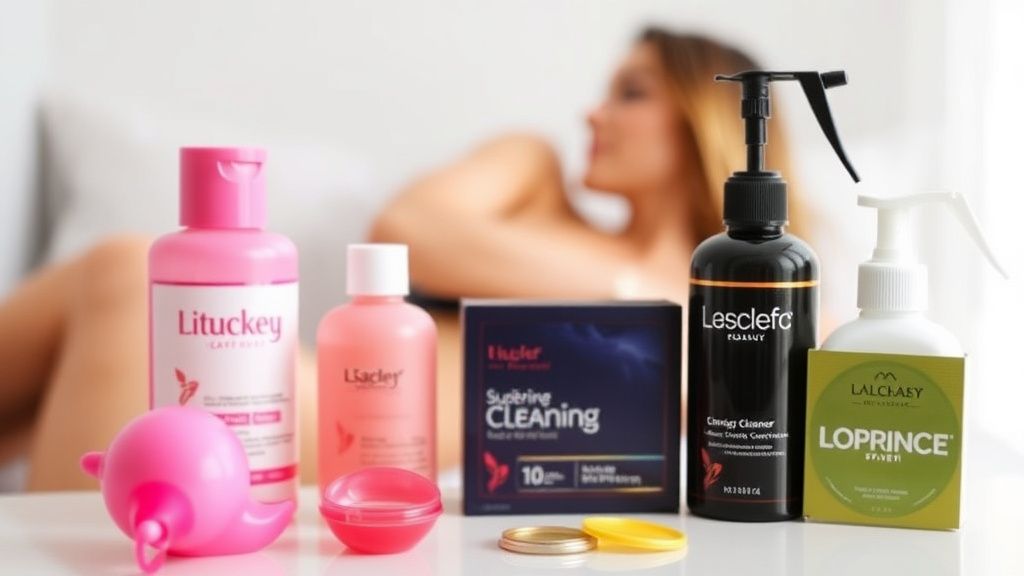
The Importance of Patch Testing New Intimate Care Products
Introducing new intimate care products—whether lubricants, cleansers, moisturizers, or hair removal creams—can enhance comfort and pleasure. However, the delicate skin in intimate areas is more prone to irritation and allergic reactions. Patch testing is a simple yet critical step to ensure safety and avoid discomfort. Here’s why it matters and how to do it properly.
Why Patch Testing Matters for Intimate Care
The skin in intimate areas is thinner and more sensitive than elsewhere on the body. Products designed for these regions often have specialized pH balances or hypoallergenic formulas, but individual reactions vary. Common issues include:
- Contact dermatitis: Redness, itching, or swelling from irritants or allergens.
- pH imbalance: Disruption of natural acidity, leading to discomfort or infections.
- Chemical sensitivities: Reactions to ingredients like glycerin, parabens, or fragrances.
Patch testing helps identify adverse reactions before full application, minimizing risk.
Types of Products That Require Patch Testing
1. Lubricants
Water-based, silicone-based, and hybrid lubes often contain preservatives or thickening agents that may cause irritation. Even “natural” formulations can include potential allergens like aloe vera or essential oils.
2. Intimate Washes and Cleansers
These products claim to maintain pH balance, but harsh surfactants or fragrances can strip natural moisture or cause burning.
3. Moisturizers and Serums
Designed for vulvar or penile skin, these may include active ingredients (e.g., hyaluronic acid) that could trigger sensitivities.
4. Hair Removal Creams or Shaving Gels
Chemical depilatories can cause severe reactions if left on sensitive skin too long.
5. Barrier Creams or Cooling Gels
Used post-shaving or for irritation relief, these may contain menthol or numbing agents that aren’t tolerated by all skin types.
How to Patch Test Properly
Follow these steps for accurate results:
- Choose a Test Area: Apply a small amount to the inner forearm or behind the ear—these areas are sensitive but easier to monitor than intimate zones.
- Wait 24–48 Hours: Avoid washing the area. Check for redness, swelling, or itching.
- Proceed Cautiously: If no reaction occurs, apply a tiny amount to a less sensitive part of the intimate area (e.g., outer labia or base of the penis) and wait another day.
- Discontinue if Irritated: Rinse immediately with water if discomfort occurs.
What to Look for in Intimate Care Products
To reduce the likelihood of reactions, prioritize:
- Hypoallergenic formulas: Labeled as dermatologist-tested or free of common irritants.
- pH-balanced: Ideally between 3.8 and 4.5 for vulvar products, or neutral for penile skin.
- Fragrance-free: Synthetic perfumes are a frequent culprit for irritation.
- Ingredient transparency: Avoid products with vague terms like “proprietary blend.”
When to Skip the Patch Test
Avoid testing altogether if:
- The product contains ingredients you’ve reacted to before.
- You have open cuts, rashes, or active infections in the application area.
- The product is expired or improperly stored (e.g., melted or separated).
Final Thoughts
Patch testing might seem tedious, but it’s a small investment for long-term comfort. By taking this precaution, you can confidently explore new products while safeguarding your intimate health. Always consult a healthcare provider if you experience persistent irritation or uncertainty about a product’s suitability.
Prioritizing safety ensures that your intimate care routine enhances well-being—without unwanted side effects.