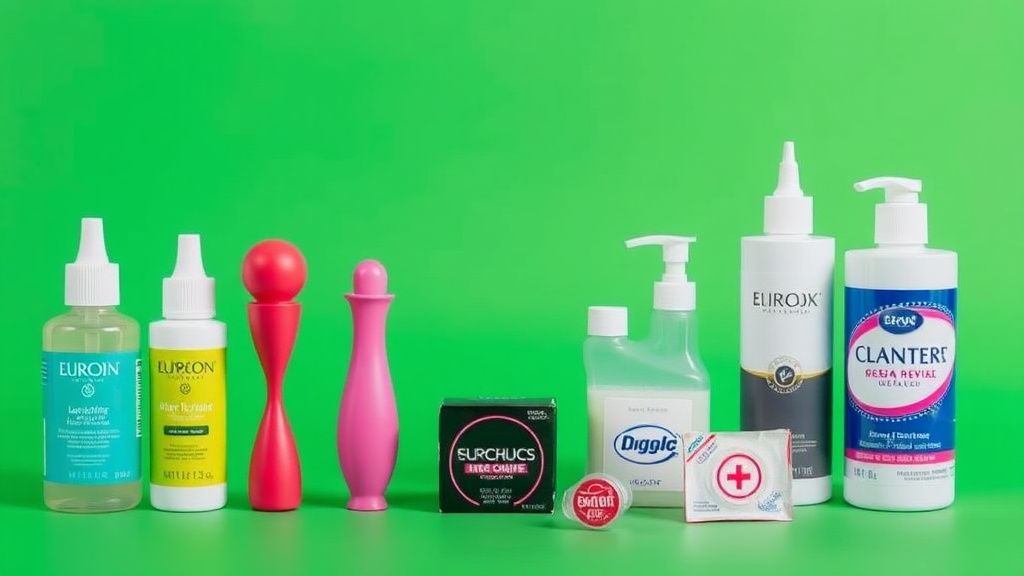
Why Patch Testing Matters for Intimacy Products
When introducing new intimacy products—whether lubricants, toys, cleaners, or condoms—into your routine, safety should always come first. Patch testing is a simple yet crucial step to ensure that the product is compatible with your body and won’t cause adverse reactions. Given the sensitive nature of the skin and mucous membranes in intimate areas, taking this precaution can prevent discomfort, irritation, or more serious issues.
Understanding Patch Testing
Patch testing involves applying a small amount of a product to a discreet area of skin to check for any adverse reactions. This process is especially important for products that come into direct contact with sensitive areas, such as lubricants or intimate cleansers. By testing first, you can identify potential irritants or allergens before using the product more extensively.
For example, if you’re trying a new water-based lubricant, apply a dime-sized amount to the inside of your wrist or elbow and wait 24 hours. If no redness, itching, or swelling occurs, the product is likely safe to use.
Common Allergens and Irritants in Intimacy Products
Many intimacy products contain ingredients that, while safe for most people, can cause reactions in others. Here are some common culprits:
- Lubricants: Glycerin, parabens, and certain fragrances can irritate sensitive skin. Silicone-based lubes may cause reactions in rare cases.
- Condoms: Latex allergies are well-documented, but some condoms also contain spermicides or lubricants that can irritate.
- Cleaners: Harsh chemicals, artificial fragrances, and alcohols can disrupt the natural pH balance of intimate areas.
- Toys: Materials like porous rubber or jelly can harbor allergens or irritants, while certain plastics may contain phthalates.
By patch testing, you can identify whether any of these ingredients pose a problem for you.
How to Patch Test Different Types of Products
Each type of intimacy product requires a slightly different approach to patch testing:
Lubricants
Apply a small amount to a non-sensitive area, such as the inside of your wrist or elbow. Wait 24 hours to ensure there’s no redness, itching, or discomfort.
Condoms
If you’re trying a new condom, test the lubricant separately (as above) and wear the condom briefly on a less sensitive area, like your fingers, to check for latex or material reactions.
Intimate Cleaners
Dilute the cleaner with water and apply a small amount to your inner forearm. Wait 24 hours to ensure there’s no irritation.
Toys
For non-porous toys made of materials like silicone or stainless steel, clean the toy thoroughly and touch it briefly to your skin. For porous materials, consider using a barrier (like a condom) during testing to minimize direct contact.
Recognizing Reactions
Not all reactions are immediate. Some may take hours or even days to appear. Look for signs of redness, itching, swelling, or a burning sensation. If you experience any of these symptoms, discontinue use immediately and rinse the area with water. For severe reactions, consult a healthcare professional.
The Role of Ingredients Lists
Always read the ingredients list before purchasing an intimacy product. Look for products labeled “hypoallergenic,” “fragrance-free,” or “pH-balanced,” as these are less likely to cause irritation. Avoid products with ingredients known to cause reactions, such as parabens, glycerin (if you’re prone to yeast infections), or latex (if you have a latex allergy).
What to Look for When Buying Intimacy Products
When shopping for new intimacy products, keep these tips in mind to ensure safety and compatibility:
- Material Matters: Opt for non-porous, body-safe materials like medical-grade silicone, stainless steel, or glass for toys.
- Avoid Harmful Chemicals: Steer clear of products containing phthalates, parabens, or harsh alcohols.
- Check Certifications: Look for certifications like FDA approval or ISO standards, which indicate rigorous safety testing.
- Read Reviews: Customer reviews can provide insights into how others with similar sensitivities have reacted to the product.
- Start Simple: Choose products with minimal ingredients, especially if you have sensitive skin or a history of allergies.
When to Consult a Professional
If you have a history of severe allergies or sensitive skin, consider consulting a dermatologist or healthcare provider before trying new intimacy products. They can recommend specific products or ingredients to avoid based on your medical history.
Conclusion
Patch testing is a quick and easy way to safeguard your health and comfort when trying new intimacy products. By taking this extra step, you can enjoy exploring new products with confidence, knowing you’ve minimized the risk of adverse reactions. Always prioritize safety, read labels carefully, and listen to your body’s signals. Your intimate well-being is worth the effort.