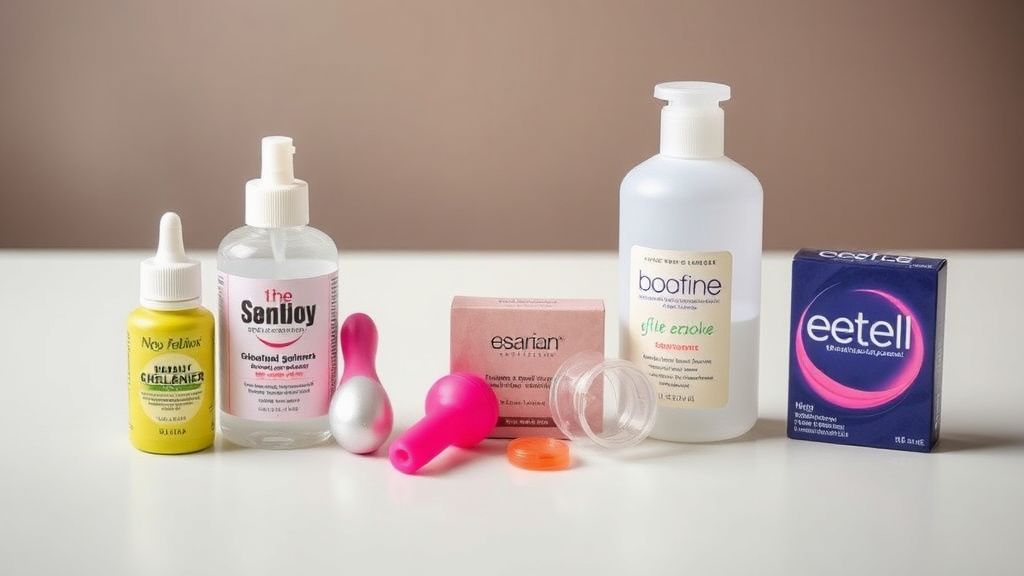
The Importance of Non-Toxic Ingredients in Intimacy Products
When it comes to sexual wellness and intimacy products, safety should always be a top priority. Many consumers focus on functionality or pleasure-enhancing features, but the ingredients in these products can have a significant impact on health. From lubricants to massage oils and condoms, non-toxic formulations help prevent irritation, infections, and long-term exposure to harmful chemicals. Understanding what goes into these products is essential for making informed, health-conscious choices.
Why Non-Toxic Ingredients Matter
The skin in intimate areas is highly sensitive and more absorbent than other parts of the body. Harsh or synthetic ingredients can disrupt natural pH levels, cause allergic reactions, or even lead to more serious health concerns over time. Common offenders in low-quality intimacy products include:
- Parabens: Used as preservatives, these chemicals may mimic estrogen and have been linked to hormonal disruptions.
- Phthalates: Often found in fragranced products, they can affect reproductive health.
- Glycerin: A sugar alcohol in some lubricants that can promote yeast infections.
- Petroleum-based oils: These can degrade latex condoms and clog pores.
- Synthetic fragrances/dyes: Potential irritants that may cause inflammation or allergic reactions.
Opting for products free from these ingredients reduces risks and supports overall well-being.
Types of Intimacy Products and Key Considerations
1. Lubricants
Lubricants are among the most commonly used intimacy products, and their ingredients vary widely. Water-based lubricants are generally safer, but some contain glycerin or parabens. Silicone-based options are longer-lasting but should be free of dimethicone or cyclomethicone if possible. For the safest choice, look for:
- Plant-based formulas (e.g., aloe vera, flaxseed extract)
- pH-balanced to match the body’s natural levels
- Osmolality-safe (to prevent cell damage, per WHO guidelines)
2. Massage Oils
Many massage oils double as personal lubricants, but not all are body-safe. Avoid mineral oil or synthetic additives. Instead, choose:
- Cold-pressed, organic oils (like coconut, jojoba, or almond oil)
- Unscented or naturally scented (with essential oils, if tolerated)
3. Condoms
Latex condoms are effective but may contain irritants like casein (a milk protein) or spermicides like nonoxynol-9, which can cause microtears. Alternatives include:
- Polyurethane or polyisoprene condoms (for latex-free options)
- Spermicide-free varieties (to reduce irritation risk)
4. Intimate Washes
While the vagina is self-cleaning, some prefer gentle external cleansers. Avoid sulfates, artificial fragrances, and alcohol. Seek:
- Mild, soap-free formulas
- Lactobacillus probiotics (to support healthy flora)
5. Sex Toys
Materials matter—cheap plastics or jelly rubber can leach harmful chemicals. Opt for:
- Medical-grade silicone, glass, or stainless steel
- Non-porous surfaces (easier to clean and less likely to harbor bacteria)
The Long-Term Health Benefits
Using non-toxic intimacy products isn’t just about avoiding immediate discomfort; it’s an investment in long-term health. Chronic exposure to irritants or endocrine disruptors can contribute to conditions like:
- Recurrent infections (e.g., bacterial vaginosis, UTIs)
- Contact dermatitis or chronic inflammation
- Hormonal imbalances affecting fertility or libido
By choosing cleaner products, users reduce these risks while supporting their body’s natural balance.
What to Look for in Non-Toxic Intimacy Products
When shopping, prioritize:
- Certifications: Look for USDA Organic, ECOCERT, or MADE SAFE labels.
- Transparent ingredient lists: Avoid vague terms like “fragrance” unless naturally derived.
- pH-balanced formulations: Especially for lubricants and washes (pH 3.8–4.5 for vaginal health).
- Hypoallergenic testing: Ideal for sensitive skin.
- Compatibility: Ensure oils won’t degrade condoms or toys (if used together).
Conclusion
The intimacy product industry is evolving, with more brands prioritizing safety and transparency. By educating yourself on ingredients and opting for non-toxic alternatives, you can enhance pleasure without compromising health. Always research products, read labels carefully, and consult healthcare providers if you have sensitivities or concerns. Your body—and your peace of mind—will thank you.