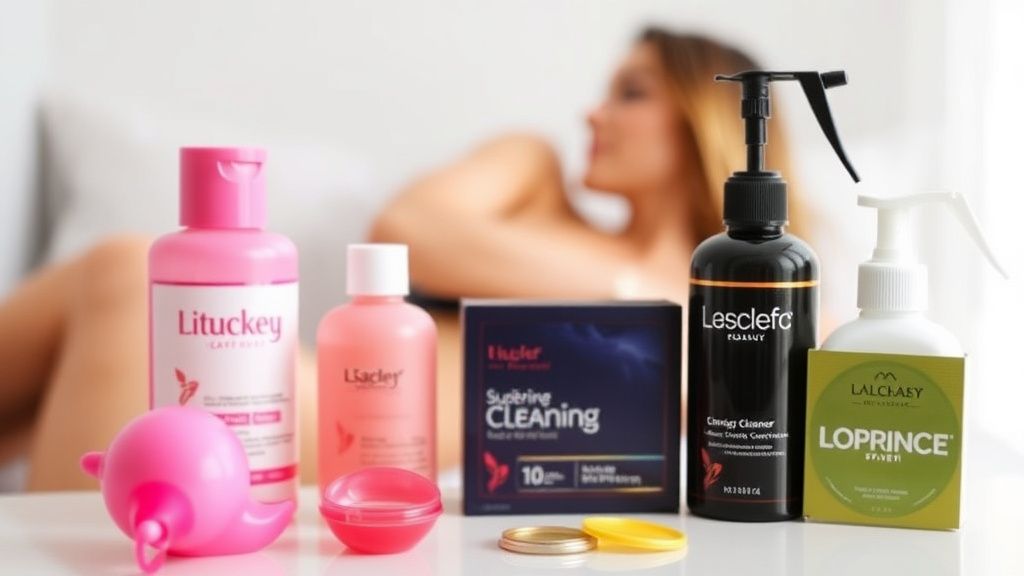
The Best Warming and Cooling Lubricants for Unique Sensations
Exploring warming and cooling lubricants can add a new dimension to intimate experiences, offering unique sensations that heighten pleasure. These specialized lubes are formulated with ingredients that create a gentle thermal effect—warming to stimulate blood flow or cooling for a refreshing tingle. When chosen carefully, they can enhance connection and comfort. Below, we’ll break down the types available, key features to consider, and safety tips for a satisfying experience.
How Warming and Cooling Lubricants Work
Warming lubricants typically contain ingredients like cinnamon, ginger, or capsicum extracts, which generate a mild, soothing heat by increasing circulation. Cooling lubes often include menthol or peppermint oil for a fresh, tingling sensation. Both types are designed to be temporary and should never cause discomfort when used as directed.
Types of Warming and Cooling Lubricants
- Water-Based Warming Lubricants – Ideal for compatibility with toys and condoms, these provide a gradual heat that builds subtly. Look for aloe or glycerin-free options if sensitivity is a concern.
- Silicone-Based Warming Lubricants – Longer-lasting and silkier, these are great for extended play but avoid use with silicone toys.
- Hybrid (Water-Silicone Blend) Cooling Lubricants – Combines the ease of cleanup (water-based) with the longevity of silicone, often infused with mild menthol for a crisp finish.
- Oil-Based Warming Balms – Thicker and often used for massage, these may not be condom-safe but offer deep, slow-release warmth.
What to Look for in a Warming or Cooling Lubricant
- Ingredients: Avoid parabens, glycerin (if prone to yeast infections), and high alcohol content, which can cause irritation. Natural extracts like peppermint or ginger should be diluted for safety.
- Intensity Levels: Some products offer adjustable intensity (e.g., “gentle” vs. “intense” cooling). Start with milder formulas to test tolerance.
- Compatibility: Check whether the lube is safe for condoms, toys, or sensitive skin. Silicone lubes degrade silicone toys, while oil-based lubes weaken latex.
- Hypoallergenic Options: Fragrance-free and pH-balanced lubes reduce the risk of reactions, especially for those with sensitivities.
Safety Tips for Use
- Patch Test First: Apply a small amount to your inner wrist or elbow to check for irritation before broader use.
- Avoid Mucous Membranes: Cooling lubes with high menthol concentrations can feel too intense near delicate areas. Stick to external application unless the product specifies internal safety.
- Reapply as Needed: Water-based lubes dry faster; reapplication maintains comfort and prevents friction.
- Never Mix with Other Stimulants: Combining warming lubes with products like vibration enhancers may overstimulate—proceed cautiously.
Enhancing the Experience
Pair thermal lubes with massage for a sensual, full-body effect. For warming varieties, try applying to fingertips during foreplay for gradual heat diffusion. Cooling lubes work well for post-intimacy refreshment or warm-weather use. Always communicate with your partner about comfort levels, as sensations are subjective.
Final Thoughts
Warming and cooling lubricants can be a playful, sensory addition to intimacy when selected mindfully. Prioritize body-safe ingredients, start with subtle formulas, and always follow usage guidelines. Whether you’re seeking gentle warmth or an invigorating chill, the right product can elevate connection without compromising safety.