Understanding Hormonal Balance and Sexual Health
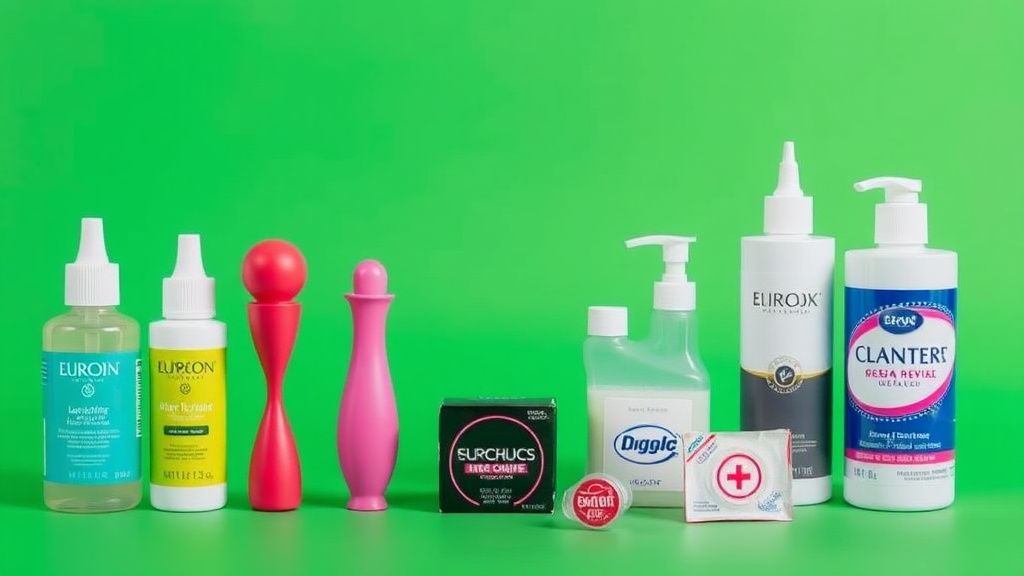
Hormones play a crucial role in sexual health, influencing libido, arousal, lubrication, and overall intimacy. Imbalances—whether due to stress, aging, medical conditions, or lifestyle factors—can lead to discomfort, reduced desire, or physical challenges. Fortunately, there are products designed to support hormonal health and enhance sexual well-being. This article explores practical, safe, and effective options to consider.
Lubricants for Hormonal Dryness
Hormonal changes, particularly during menopause or postpartum, can lead to vaginal dryness, making intimacy uncomfortable. Water-based lubricants are a versatile solution, as they are compatible with most condoms and toys. Look for products with soothing ingredients like aloe vera or hyaluronic acid, which mimic the body’s natural moisture.
For those experiencing severe dryness, silicone-based lubricants offer long-lasting hydration and a silky texture. Avoid lubricants with parabens, glycerin, or synthetic fragrances, as these can irritate sensitive tissues.
Hormone-Supportive Supplements
While not a replacement for medical advice, certain supplements can help support hormonal balance. Products containing maca root, black cohosh, or evening primrose oil are often recommended for their potential to regulate hormones and improve libido. Always consult a healthcare provider before starting any supplement regimen, especially if you have underlying health conditions or are taking medications.
Intimacy Toys for Enhanced Sensitivity
Hormonal shifts can sometimes reduce sensitivity, making it harder to achieve arousal. Vibrators and other intimacy toys can help stimulate blood flow and enhance pleasure. For beginners, small, discreet vibrators are a good starting point. More advanced options include wand-style devices or those designed for targeted stimulation.
Ensure the toy is made from body-safe materials like medical-grade silicone or ABS plastic. Avoid porous materials that can harbor bacteria, and always use a compatible cleaner to maintain hygiene.
Condoms for Hormonal Contraception Alternatives
If hormonal contraception isn’t suitable for you, condoms are a reliable, hormone-free alternative. Latex condoms are widely available and effective, but for those with latex allergies, polyurethane or polyisoprene options are equally safe. Some condoms come pre-lubricated with warming or tingling sensations, which can enhance intimacy.
Cleaners for Safe Toy Maintenance
Keeping intimacy toys clean is essential for preventing infections, especially if hormonal changes have made you more susceptible to irritation. Use a gentle, pH-balanced cleaner specifically designed for adult products. Avoid harsh chemicals or soaps that can degrade materials or cause irritation.
Moisturizers for Long-Term Comfort
For ongoing vaginal dryness, consider using a long-acting vaginal moisturizer. These products are applied internally and can provide hydration for up to 72 hours, unlike lubricants which are primarily for immediate use. Look for moisturizers with natural ingredients and avoid those with artificial additives.
What to Look for When Choosing Products
- Ingredients: Opt for products with natural, hypoallergenic ingredients. Avoid parabens, sulfates, and synthetic fragrances.
- Material Safety: For toys, choose non-porous, body-safe materials like silicone or ABS plastic.
- Compatibility: Ensure lubricants are compatible with condoms or toys if you plan to use them together.
- pH Balance: Choose products that match the body’s natural pH to avoid irritation.
- Certifications: Look for products tested by reputable organizations or approved by healthcare professionals.
By selecting the right products and prioritizing safety, you can support your hormonal health and enhance your sexual well-being. Always consult a healthcare provider for personalized advice, especially if you’re experiencing significant hormonal changes or discomfort.