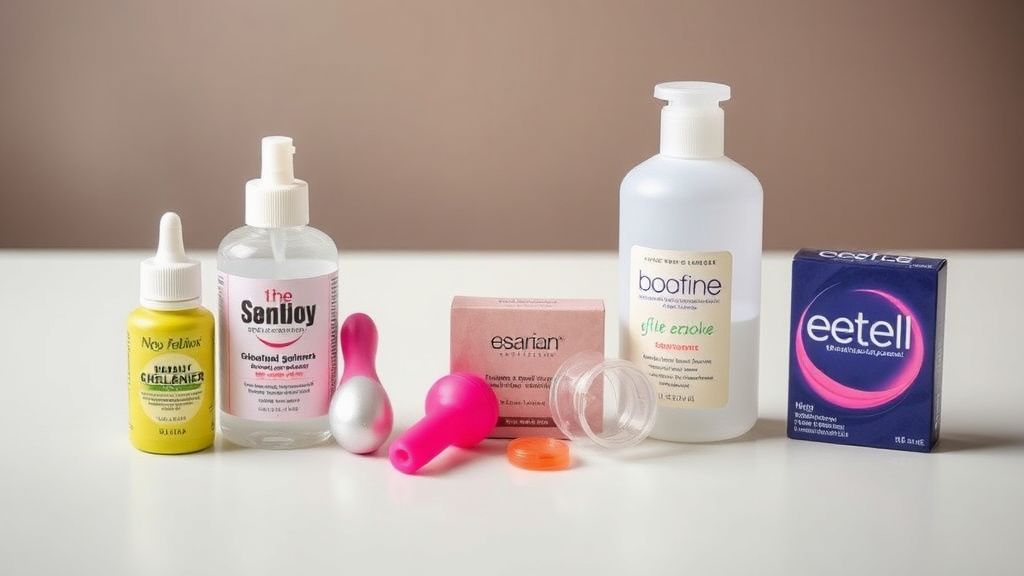
Safety Considerations for Using Water-Based Lubricants with Silicone Toys
Silicone toys are a popular choice for their durability, flexibility, and ease of cleaning. However, pairing them with the wrong lubricant can compromise their integrity and even pose safety risks. Water-based lubricants are often recommended for silicone toys, but not all are created equal. Here’s what you need to know to ensure safe and enjoyable use.
Why Water-Based Lubricants Are Ideal for Silicone Toys
Silicone-based lubricants are generally avoided with silicone toys because they can break down the material over time, leading to degradation, stickiness, or even tearing. Water-based lubricants, on the other hand, are chemically compatible with silicone and won’t damage the toy’s surface. They also offer other advantages:
- Easy Cleanup: Water-based lubes rinse off effortlessly with water, simplifying toy maintenance.
- Body-Safe Formulas: Many are free from parabens, glycerin, and other irritants, reducing the risk of irritation.
- Versatility: They work well with all toy materials, including silicone, glass, and metal.
However, not all water-based lubricants are equally safe or effective. Some contain ingredients that may degrade silicone or cause discomfort.
Potential Risks of Using the Wrong Water-Based Lube
While water-based lubes are generally safe, some formulations may still pose risks:
- High Glycerin or Sugar Content – Can lead to yeast infections or irritation, especially with prolonged use.
- Artificial Dyes or Fragrances – May cause allergic reactions or skin sensitivity.
- Thickeners or Preservatives – Some additives (e.g., certain glycols) may interact poorly with silicone over time.
To minimize risks, opt for a high-quality, medical-grade water-based lubricant designed for intimate use.
How to Test Compatibility Between Lube and Silicone Toys
If you’re unsure whether a lubricant is safe for your toy, perform a patch test:
- Apply a small amount of lube to the toy’s base (an inconspicuous area).
- Wait 10-15 minutes, then rinse and inspect.
- Check for changes in texture (stickiness, cloudiness, or swelling).
If the toy shows signs of degradation, discontinue use with that lubricant.
What to Look for in a Water-Based Lubricant for Silicone Toys
When selecting a water-based lube for silicone toys, prioritize these features:
- Minimal Ingredients – Look for simple formulations with fewer additives.
- Hypoallergenic & pH-Balanced – Reduces irritation risk, especially for sensitive skin.
- No Glycerin or Parabens – Avoids potential yeast infections and material breakdown.
- Long-Lasting – Some water-based lubes dry quickly; thicker formulas (with natural thickeners like cellulose) last longer.
Popular types include:
- Natural/Organic Lubricants – Often free from synthetic additives.
- Hybrid Lubricants – Water-based with a small amount of silicone (check compatibility first).
- Medical-Grade Lubricants – Designed for safety and hypoallergenic use.
Proper Maintenance for Silicone Toys After Use
Even with a safe lubricant, proper cleaning extends a toy’s lifespan:
- Rinse Immediately – Water-based lube residues can attract bacteria if left uncleaned.
- Use Mild Soap & Warm Water – Avoid harsh chemicals that may degrade silicone.
- Dry Thoroughly – Store in a cool, dry place to prevent moisture buildup.
Final Tips for Safe Use
- Reapply as Needed – Water-based lubes evaporate faster; keep a bottle nearby.
- Avoid Mixing Lubricant Types – Don’t layer silicone-based and water-based lubes.
- Check Manufacturer Guidelines – Some premium silicone toys may have specific care instructions.
By choosing the right water-based lubricant and maintaining your silicone toys properly, you can ensure both safety and longevity for your intimate products. Always prioritize body-safe, high-quality options to enhance comfort and pleasure.