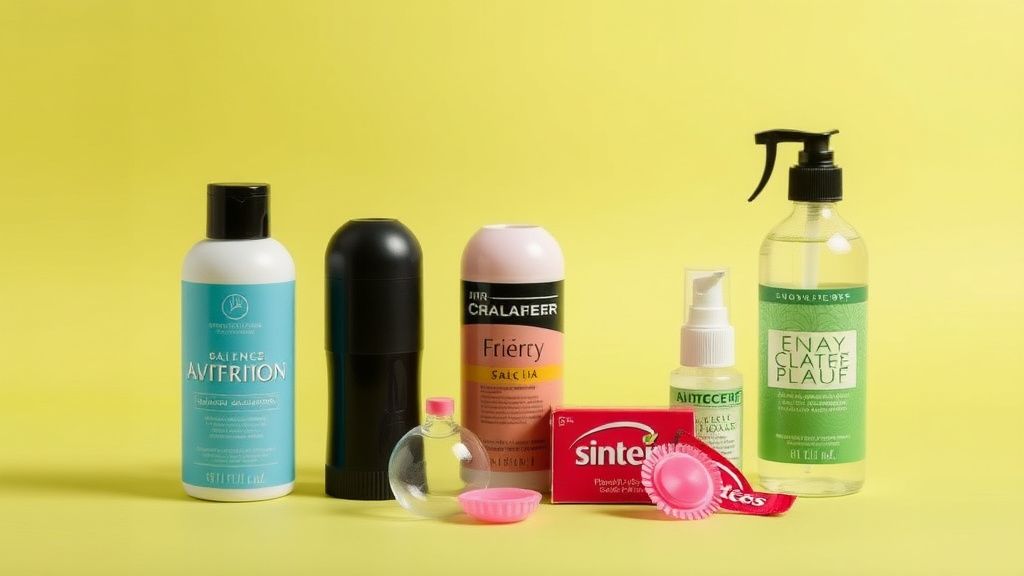
Understanding Postpartum Intimacy
After childbirth, many individuals experience physical and emotional changes that can affect intimacy. Hormonal shifts, fatigue, and healing tissues (especially after vaginal tears or cesarean delivery) require patience and gentle care. Resuming intimacy safely involves prioritizing comfort, communication, and using products designed to minimize discomfort while supporting sexual wellness.
Key Considerations for Safe Postpartum Intimacy
- Healing Time: Follow medical advice on when to resume sexual activity, typically after 6 weeks for uncomplicated deliveries, but longer if healing is ongoing.
- Discomfort Management: Dryness, tenderness, or scar sensitivity are common. Water-based lubricants and hypoallergenic products can help.
- Emotional Readiness: Stress, body changes, or postpartum mood disorders may affect desire. Open dialogue with a partner is essential.
Recommended Product Categories
1. Lubricants for Comfort & Safety
Postpartum hormonal changes often reduce natural lubrication, increasing friction and discomfort.
- Water-Based Lubricants: Ideal for sensitive skin, compatible with condoms and toys, and easy to clean. Look for glycerin-free formulas to avoid irritation.
- Hybrid Lubricants: A mix of water and silicone for longer-lasting glide without stickiness. Safe with most condoms but not silicone toys.
- Avoid Oil-Based Lubricants: These can degrade condoms and may cause infections if residue lingers.
2. Body-Safe Toys for Gentle Exploration
Toys can help reintroduce intimacy gradually, but postpartum sensitivity requires careful selection.
- Small, Smooth Vibrators: Slim designs with soft silicone coatings reduce pressure on tender areas.
- External Stimulators: Clitoral vibrators with adjustable intensity allow control over sensation without penetration.
- Avoid Rigid or Textured Toys: These may irritate healing tissues.
3. Condoms & Barriers for Protection
Postpartum bleeding (lochia) and hormonal shifts can increase infection risk. Barrier protection is crucial, especially if breastfeeding alters natural lubrication.
- Hypoallergenic Latex or Polyurethane Condoms: Reduce irritation risk. Polyisoprene is another latex-free option.
- Non-Spermicidal Lubricated Condoms: Spermicides (like nonoxynol-9) can disrupt pH balance, increasing infection susceptibility.
4. Cleaners for Hygiene & Safety
Proper toy and skin hygiene prevents infections, which postpartum bodies are more vulnerable to.
- pH-Balanced Intimate Washes: Gentle, fragrance-free cleansers support natural flora.
- Toy Cleaners: Opt for antibacterial sprays or wipes specifically designed for sex toys. Avoid harsh soaps that degrade materials.
Addressing Common Postpartum Concerns
Pain During Penetration
- Use extra lubricant and start with shallow penetration. Pelvic floor physical therapy may help if pain persists.
- Consider silicone dilators (medical-grade) to gradually stretch tissues under a doctor’s guidance.
Low Libido
- Stress and fatigue play a role. Non-sexual intimacy (cuddling, massage) can rebuild connection.
- If breastfeeding, estrogen levels may remain low, affecting arousal. A water-based lubricant can compensate for dryness.
Scar Sensitivity (C-Section or Perineal)
- Silicone scar gels (approved by a doctor) can reduce discomfort.
- Avoid pressure on healing incisions during intimacy; try side-lying positions for comfort.
What to Look for When Choosing Products
- Hypoallergenic Formulas: Free from parabens, glycerin, and fragrances to prevent irritation.
- Medical-Grade Materials: For toys, body-safe silicone, ABS plastic, or stainless steel are non-porous and easy to clean.
- pH-Balanced: Intimate products should match the vaginal pH (around 3.8–4.5) to prevent infections.
- Doctor-Approved: Postpartum-specific products (like lubricants or cleansers) often note clinical testing for safety.
Final Tips for Easing Back Into Intimacy
- Communicate: Share discomforts and preferences with your partner.
- Go Slow: Focus on pleasure rather than performance.
- Consult a Professional: A pelvic health specialist can address persistent pain or dysfunction.
By prioritizing gentle, body-safe products and patience, postpartum intimacy can be a comfortable and affirming experience.