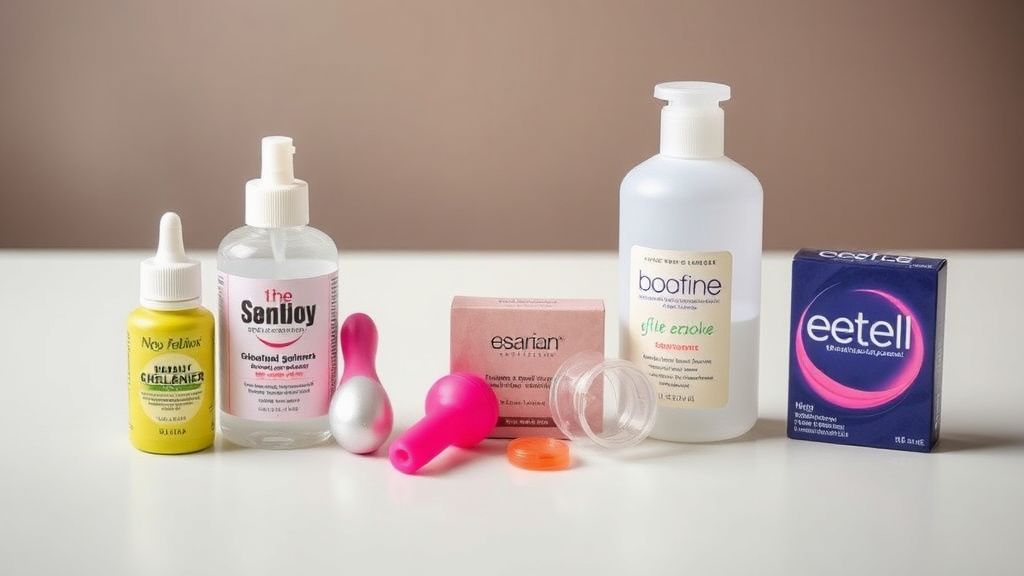
Why Personal Hygiene Matters for Intimacy & Wellness
Maintaining proper personal hygiene is foundational for both physical health and emotional confidence in intimate relationships. Good hygiene prevents infections, reduces discomfort, and enhances pleasure by ensuring cleanliness and comfort for you and your partner. Whether using intimacy products or engaging in physical closeness, a thoughtful hygiene routine supports safety and enjoyment.
This guide covers essential practices and product considerations—from lubricants to toy cleaners—to help you prioritize wellness without compromising intimacy.
Daily Hygiene Habits for Intimacy
1. Gentle Cleansing
Use pH-balanced, fragrance-free cleansers for sensitive areas to avoid irritation or disruption of natural flora. Harsh soaps can cause dryness or infections, especially for vulvar or penile skin.
2. Hair Management
Trimmed or shaved pubic hair can reduce sweat and odor retention, but avoid aggressive removal right before intimacy to prevent microtears or irritation. If using razors, opt for clean, sharp blades and soothing post-shave balms.
3. Oral Hygiene
Fresh breath and clean teeth improve comfort during kissing or oral intimacy. Brush, floss, and consider alcohol-free mouthwash to avoid dryness.
4. Hand & Nail Care
Wash hands thoroughly before touching intimate areas or handling toys. Keep nails short and smooth to prevent accidental scratches.
Product-Specific Hygiene Practices
Lubricants
- Water-based: Easy to clean and safe with most toys, but may require reapplication. Look for glycerin-free options if prone to yeast infections.
- Silicone-based: Long-lasting but can degrade silicone toys. Requires soap and water for removal.
- Oil-based: Avoid with latex condoms (can cause breakage) and porous toys (traps bacteria).
Hygiene tip: Replace lubes with expired or contaminated packaging. Pump bottles minimize bacterial exposure versus open jars.
Condoms & Barriers
- Latex, polyurethane, and polyisoprene condoms prevent STIs and pregnancy. Check expiration dates and store in a cool, dry place.
- Dental dams or latex sheets add protection during oral sex.
Hygiene tip: Never reuse condoms. Dispose of used barriers properly to avoid cross-contamination.
Intimate Toys
- Material matters: Non-porous materials (medical-grade silicone, stainless steel, glass) are easier to clean and less likely to harbor bacteria.
- Cleaning: Wash before and after each use with warm water and mild soap or a dedicated toy cleaner. Some are dishwasher-safe (check manufacturer guidelines).
- Storage: Keep toys dry in breathable fabric bags or cases—avoid plastic bags that trap moisture.
Hygiene tip: For electric toys, ensure they’re waterproof or have removable, washable parts.
Bedding & Fabrics
Change sheets regularly, especially after intimate activities. Opt for breathable, natural fabrics like cotton to reduce moisture buildup.
Post-Intimacy Hygiene
- Urinate after sex: Helps flush bacteria from the urethra, reducing UTI risk.
- Gentle cleansing: Rinse external areas with water or a pH-balanced wipe. Avoid douching, which disrupts natural bacteria.
- Toy care: Clean immediately after use to prevent residue buildup.
- Hydrate: Replenish fluids to support natural detoxification.
What to Look for in Intimacy & Hygiene Products
When selecting products to enhance hygiene and safety, prioritize:
- Non-toxic materials: Avoid parabens, phthalates, and artificial fragrances in lubes and cleansers.
- Body-safe design: Toys should be smooth, non-porous, and free of sharp edges.
- Easy cleaning: Opt for waterproof toys or condom-compatible lubricants if simplifying cleanup is a priority.
- Certifications: Look for FDA-approved condoms or medical-grade silicone labels on toys.
A thoughtful approach to hygiene ensures intimacy remains pleasurable, safe, and free from preventable health concerns. By integrating these practices and choosing quality products, you can focus on connection and wellness with confidence.