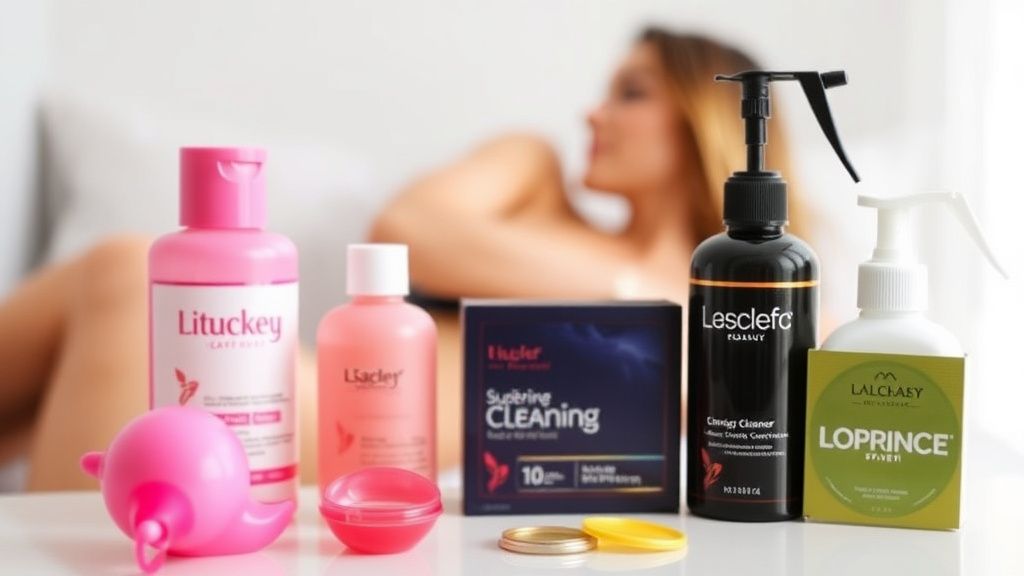
Understanding Intimacy Product Labels
When shopping for intimacy products—whether lubricants, toys, condoms, or cleaners—the labels can be overwhelming. Terms like “body-safe,” “phthalate-free,” or “medical-grade” are common, but their meanings aren’t always clear. Understanding these labels is crucial for safety, comfort, and effectiveness. Here’s how to decode them confidently.
Key Ingredients to Know
Lubricants
Lubricants often list ingredients that impact safety and compatibility:
- Water-based lubes: Typically contain water, glycerin, and preservatives. Glycerin can increase sweetness but may contribute to yeast infections in some users. Look for “glycerin-free” if prone to irritation.
- Silicone-based lubes: Longer-lasting and slicker, but avoid with silicone toys (can degrade material). Check for “dimethicone” or “cyclomethicone” as primary ingredients.
- Oil-based lubes: Often contain coconut or mineral oil. Avoid with latex condoms (oil weakens latex).
Watch out for:
- Parabens (potential irritants)
- Propylene glycol (can cause sensitivity)
- Chlorhexidine (may disrupt natural flora)
Sex Toys
Materials matter most for toys:
- Silicone: Non-porous, hypoallergenic, and easy to clean. Ensure it’s “platinum-cured” or “medical-grade.”
- TPE/TPR: Porous and softer, requiring thorough cleaning. Not ideal for long-term use.
- ABS plastic: Rigid, non-porous, and body-safe.
- Glass/Metal: Non-porous and hygienic if labeled “borosilicate glass” or “stainless steel 316/304.”
Avoid:
- “Jelly rubber” or “novelty rubber” (often contain phthalates)
- Painted coatings (can chip)
Condoms
Latex condoms dominate the market, but alternatives exist:
- Polyurethane: Latex-free, thinner, and heat-conductive but less elastic.
- Polyisoprene: Latex-free, stretchier than polyurethane.
- Lambskin: Porous, protects against pregnancy but not STIs.
Check for:
- Spermicide (nonoxynol-9 can irritate)
- Lubricant compatibility (water/silicone-based is safest)
Cleaners
Intimacy product cleaners should be:
- pH-balanced: For toys and skin safety.
- Non-toxic: Avoid triclosan or harsh alcohols.
- Unscented: Fragrances can irritate mucous membranes.
Decoding Certifications
Third-party certifications add credibility:
- Medical-Grade: Meets FDA or EU standards for biocompatibility (e.g., ISO 10993 for silicone toys).
- OEKO-TEX®: Ensures textiles (like bondage gear) are free from harmful chemicals.
- FDA-Cleared: Common for condoms and some lubricants (indicates safety testing).
- Vegan/Cruelty-Free: No animal-derived ingredients or testing.
Note: “For novelty use only” often indicates the product hasn’t undergone safety testing.
Common Label Red Flags
- “Fragrance” or “Parfum”: Undisclosed chemicals may hide here. Opt for “fragrance-free.”
- “Non-toxic” without proof: Look for supporting certifications.
- Vague material terms: “Soft plastic” or “silky touch” lack specificity.
What to Look For: A Quick Buying Guide
- Lubricants: Match to your needs (water-based for toys, silicone for water play). Avoid osmolality extremes (can damage tissue).
- Toys: Prioritize non-porous materials. Check for a flared base if anal-safe is needed.
- Condoms: Latex for most, polyisoprene for latex allergies. Avoid spermicide if sensitive.
- Cleaners: pH-balanced, toy-material compatible (e.g., no bleach on silicone).
Always patch-test new products, and when in doubt, consult a healthcare provider for ingredient concerns. By understanding labels, you can make informed, safe choices for your intimate well-being.