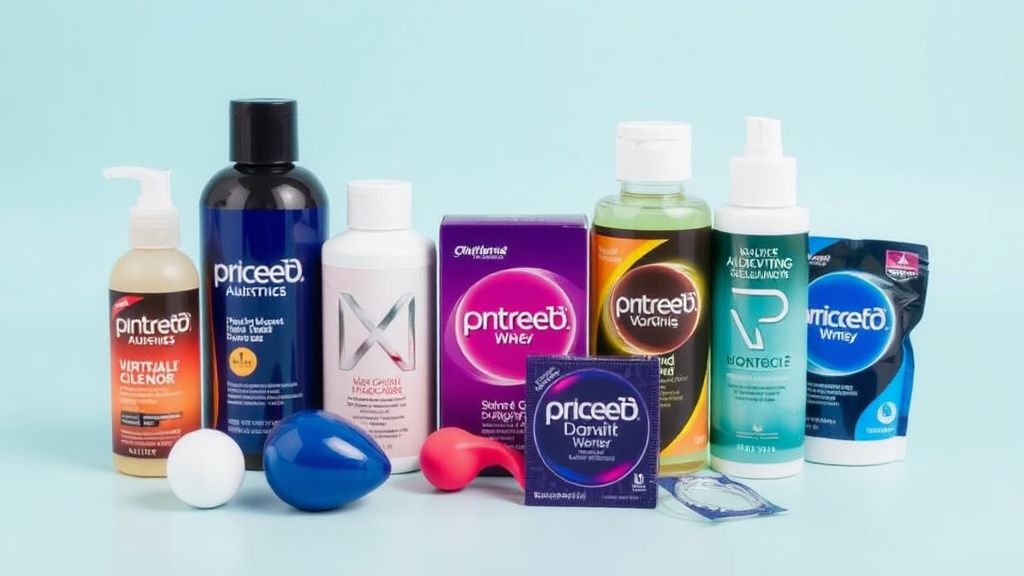
How to Store Your Intimate Gels and Lubricants for Longevity
Intimate gels and lubricants are essential products for enhancing comfort and pleasure during intimate moments. To ensure they remain safe, effective, and long-lasting, proper storage is crucial. Improper storage can lead to contamination, degradation, or even spoilage, which can compromise their quality and safety. Here’s a comprehensive guide to storing your intimate gels and lubricants for optimal longevity.
Understanding Product Types and Ingredients
Before discussing storage, it’s important to understand the different types of intimate gels and lubricants, as their composition can influence storage needs:
- Water-Based Lubricants: These are the most common and versatile, often containing water, glycerin, and other moisturizing agents. They are generally safe for use with all materials, including silicone toys and condoms.
- Silicone-Based Lubricants: Made with silicone compounds, these are longer-lasting and water-resistant. They’re ideal for use in water but should not be used with silicone toys, as they can degrade the material.
- Oil-Based Lubricants: These are often derived from natural oils like coconut or mineral oil. They are not compatible with latex condoms and are best for external use.
- Hybrid Lubricants: A blend of water and silicone bases, offering the benefits of both types.
Each type has unique storage requirements based on its ingredients and shelf life.
The Importance of Proper Storage
Improper storage can lead to:
- Bacterial Growth: Exposure to air or contaminants can introduce harmful bacteria.
- Product Separation: Ingredients may separate or degrade if stored in extreme temperatures.
- Loss of Effectiveness: Heat or light exposure can break down active ingredients, reducing efficacy.
- Expired Products: Products stored incorrectly may expire sooner than their labeled shelf life.
Best Practices for Storing Intimate Gels and Lubricants
1. Keep Them in a Cool, Dark Place
Heat and light are the biggest enemies of intimate products. Store them in a cool, dark place, such as a drawer or cabinet, away from direct sunlight or heat sources like radiators or windows.
2. Seal Containers Tightly
Always ensure the container is tightly sealed after use. Exposure to air can introduce bacteria and cause the product to dry out or degrade.
3. Avoid Humidity
Humid environments, such as bathrooms, can promote bacterial growth and compromise the product’s integrity. Opt for a dry storage area instead.
4. Check Expiration Dates
Most lubricants and gels have a shelf life of 1-3 years, depending on the type and brand. Always check the expiration date and discard any products that have expired.
5. Store Upright
For products in bottles or tubes, storing them upright prevents leakage and ensures the product remains evenly mixed.
6. Use Clean Hands or Applicators
When using gels or lubricants, ensure your hands are clean or use a clean applicator to avoid contamination.
7. Avoid Freezing
While keeping products cool is important, freezing can alter their texture and effectiveness. Stick to room temperature or slightly cooler storage.
Special Considerations for Different Product Types
Water-Based Lubricants
These are prone to drying out if exposed to air. Store them in airtight containers and avoid leaving the cap off for extended periods.
Silicone-Based Lubricants
Silicone-based products are more stable but can thicken or separate over time. Shake the bottle gently before use if separation occurs.
Oil-Based Lubricants
Oil-based products can solidify in cooler temperatures. If this happens, let them warm to room temperature and stir gently to restore consistency.
Hybrid Lubricants
Follow storage guidelines for water-based lubricants, as the silicone component is usually stable.
Traveling with Intimate Gels and Lubricants
When traveling, keep these tips in mind:
- Use travel-sized containers to minimize exposure to air and contaminants.
- Store products in a separate, sealed bag to prevent spills.
- Avoid leaving them in hot cars or luggage exposed to extreme temperatures.
What to Look for When Choosing Intimate Gels and Lubricants
When selecting products, consider the following factors:
- Ingredients: Opt for products with hypoallergenic, non-toxic, and body-safe ingredients. Avoid parabens, glycerin (if prone to yeast infections), and harsh chemicals.
- Packaging: Choose products in airtight, opaque, or UV-protected containers to prolong shelf life.
- Versatility: Consider products compatible with your needs, such as water-based lubricants for use with condoms or toys.
- Expiration Date: Always check the shelf life and ensure it aligns with your usage frequency.
By following these storage tips and guidelines, you can ensure your intimate gels and lubricants remain safe, effective, and ready for use whenever needed. Proper care not only extends their lifespan but also enhances your overall intimate experience.