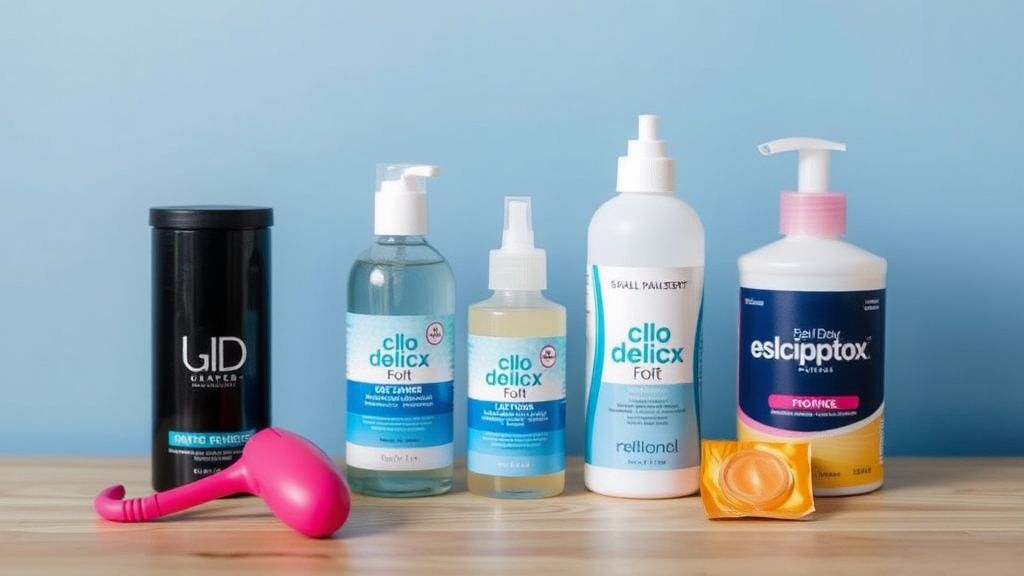
How to Maintain Hygiene with Reusable Intimacy Products
Reusable intimacy products, such as menstrual cups, reusable condoms, and silicone-based toys, offer eco-friendly and cost-effective alternatives to disposable options. However, proper hygiene is critical to ensure safety, longevity, and comfort. This guide covers best practices for cleaning, storing, and maintaining these products to prevent infections and extend their lifespan.
Why Hygiene Matters
Intimate products come into contact with sensitive areas, making hygiene non-negotiable. Poor maintenance can lead to:
- Bacterial or fungal infections (e.g., yeast infections, UTIs)
- Material degradation, reducing product effectiveness
- Unpleasant odors or discoloration
Following manufacturer guidelines and general hygiene principles minimizes these risks.
Cleaning Reusable Intimacy Products
1. Menstrual Cups
Menstrual cups collect rather than absorb menstrual fluid, requiring thorough cleaning between uses.
- During Use: Rinse with cold water before reinserting (if possible). Avoid harsh soaps that may irritate sensitive skin.
- Between Cycles: Boil for 5–10 minutes or use a sterilizing solution (e.g., tablet-based cleaners).
- Storage: Keep in a breathable pouch to prevent moisture buildup.
2. Reusable Condoms (e.g., Female Condoms or Silicone Barriers)
These are less common but require careful handling.
- After Use: Wash with mild, fragrance-free soap and warm water.
- Drying: Pat dry with a clean towel—avoid heat or direct sunlight, which can weaken materials.
- Storage: Store in a cool, dry place away from sharp objects.
3. Silicone or Body-Safe Toy Maintenance
Non-porous materials like medical-grade silicone are easier to clean than porous ones (e.g., TPE).
- After Each Use: Wash with warm water and mild soap or a dedicated toy cleaner.
- Deep Cleaning: Some toys can be sterilized by boiling (check manufacturer instructions first).
- Drying: Air-dry completely before storage to prevent bacterial growth.
4. Fabric-Based Products (e.g., Reusable Underwear or Pads)
These often require machine washing.
- Rinse First: Rinse in cold water to prevent stains.
- Washing: Use a gentle, fragrance-free detergent and avoid fabric softeners.
- Drying: Air-dry or use low heat to preserve absorbency.
Storage Tips
Proper storage prevents contamination and material damage:
- Dry Completely: Moisture encourages mold and bacteria.
- Use Breathable Containers: Avoid airtight bags for items like menstrual cups; opt for cotton pouches.
- Separate Storage: Keep products away from dust, pet hair, or other contaminants.
When to Replace Reusable Products
Even with excellent care, reusable products don’t last forever. Signs it’s time to replace them:
- Material Changes: Cracks, stickiness, or discoloration in silicone.
- Odors That Persist After Cleaning: May indicate bacterial buildup.
- Loss of Functionality: Leaks (menstrual cups) or reduced elasticity (condoms).
Most manufacturers provide lifespan guidelines—follow them strictly.
What to Look for in Reusable Intimacy Products
When shopping for reusable products, prioritize:
- Material Safety: Opt for medical-grade silicone, hypoallergenic fabrics, or FDA-approved materials.
- Ease of Cleaning: Non-porous surfaces are simpler to sanitize.
- Reputable Brands: Choose companies with transparent safety standards and clear care instructions.
- Certifications: Look for FDA clearance, CE marks, or ISO certifications where applicable.
Final Thoughts
Maintaining hygiene with reusable intimacy products ensures they remain safe, effective, and comfortable. By following proper cleaning routines, storing them correctly, and replacing them when needed, you can enjoy their benefits without compromising health. Always refer to product-specific guidelines—when in doubt, err on the side of caution.