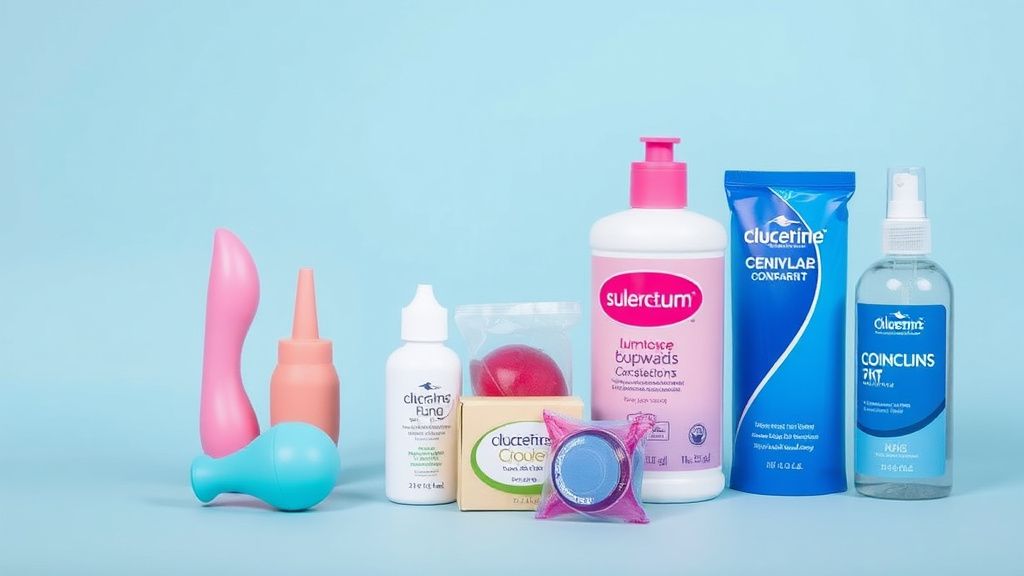
How to Introduce Sex Toys into Your Relationship for Fun and Exploration
Introducing sex toys into your relationship can be an exciting way to enhance intimacy, explore new sensations, and deepen trust with your partner. Whether you’re curious about vibrators, couples’ toys, or bondage accessories, approaching the topic with openness and safety in mind ensures a positive experience. Here’s how to navigate the conversation and choose the right products for your shared journey.
Start with an Open Conversation
Before browsing products, discuss the idea with your partner in a relaxed, non-judgmental setting. Frame the conversation around shared pleasure and curiosity rather than unmet needs. Try:
- “I’ve been reading about how couples use toys to spice things up—would you be open to trying something together?”
- “Is there anything you’ve been curious to explore? I’d love to hear your thoughts.”
Listen actively to their comfort level and boundaries. Reassure them that toys are tools for mutual enjoyment, not replacements for intimacy.
Choose the Right Type of Toy for Your Dynamic
Sex toys come in many forms, each suited to different preferences and experience levels. Consider these categories:
1. Couples’ Vibrators
Designed for shared use, these often include:
- Wearable vibrators (e.g., remote-controlled panty vibes) for hands-free pleasure during foreplay or outings.
- Dual-stimulation toys (e.g., “rabbit” styles) that target internal and external pleasure simultaneously.
Ideal for: Partners new to toys who want to focus on mutual stimulation.
2. Sensation-Enhancing Toys
- Feather ticklers or massage gloves for sensual touch.
- Temperature-play items like warming lubes or cooling gels.
Ideal for: Couples who enjoy extended foreplay or sensory exploration.
3. Bondage and Restraint Kits
Soft cuffs, blindfolds, or silk ties introduce light power dynamics safely. Opt for adjustable, breathable materials with quick-release features.
Ideal for: Partners interested in experimenting with trust and control—always establish a safeword first.
4. Non-Penetrative Toys
- Clitoral vibrators (e.g., compact bullet vibes) for focused pleasure.
- Air-pressure toys that use gentle suction for arousal.
Ideal for: Solo or partnered play, especially if penetration isn’t a priority.
Prioritize Safety and Quality
What to Look for in a Sex Toy:
- Body-safe materials: Medical-grade silicone, ABS plastic, or stainless steel (avoid porous materials like jelly rubber).
- Easy cleaning: Non-porous toys are simpler to sanitize (look for waterproof designs).
- Adjustable settings: Multiple vibration speeds or intensity levels help tailor the experience.
- Compatibility: Ensure toys work with your preferred lubricant (e.g., water-based lube for silicone toys).
Avoid novelty items without safety certifications, and always check product reviews for real-user feedback.
Introduce Toys Gradually
Start with something approachable, like a small vibrator or massage oil, before progressing to more advanced items. During your first time using a toy together:
- Incorporate it into foreplay—let your partner control the toy to build comfort.
- Keep communication flowing—ask, “How does this feel?” or “Should we try a different setting?”
- Normalize laughter and pauses—it’s okay if things feel awkward initially.
Maintain Aftercare and Follow-Up
After experimenting, debrief with your partner:
- What did you enjoy?
- Is there anything you’d tweak next time?
- Would you try other types of toys?
Store toys discreetly but accessibly, and clean them after each use to prolong their lifespan.
Final Thoughts
Sex toys can revitalize your relationship by fostering playfulness and vulnerability. By choosing high-quality products, communicating openly, and prioritizing mutual pleasure, you’ll create a safe space for exploration. Remember: the goal isn’t perfection—it’s connection.
Note: Consult a healthcare provider if you have sensitivities or medical concerns before using new products.