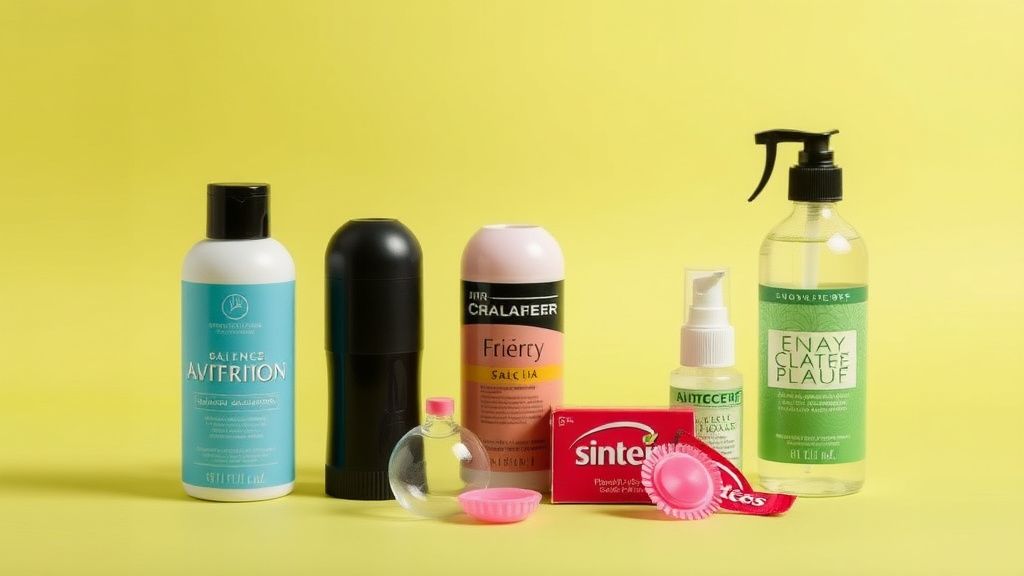
How to Choose a Lubricant for Specific Intimate Activities
Selecting the right lubricant can enhance comfort, pleasure, and safety during intimate activities. With so many options available—each formulated for different needs—it’s important to understand which type aligns with your preferences and circumstances. This guide explores key considerations, product types, and safety tips to help you make an informed choice.
Understanding Lubricant Types
Lubricants fall into three primary categories, each with distinct properties:
1. Water-Based Lubricants
Best for: Everyday use, compatibility with condoms and sex toys, sensitive skin.
Features:
- Lightweight and easy to clean.
- Safe with latex, polyisoprene condoms, and silicone toys.
- May require reapplication as they absorb into the skin.
- Often formulated with gentle ingredients like aloe vera or glycerin (though glycerin can cause irritation for some).
2. Silicone-Based Lubricants
Best for: Longer-lasting lubrication, water-based activities (shower, pool).
Features:
- Ultra-slick and long-lasting—doesn’t absorb quickly.
- Water-resistant, making it ideal for aquatic play.
- Not compatible with silicone toys (can degrade the material).
- Hypoallergenic options are available for sensitive users.
3. Oil-Based Lubricants
Best for: Massage, non-latex play (avoid with condoms).
Features:
- Rich texture, often used for sensual massage.
- Not safe with latex or polyisoprene condoms (can weaken them).
- May stain fabrics and can be harder to clean.
- Natural options include coconut oil (patch-test first for allergies).
Specialized Lubricants for Specific Needs
Beyond the basics, some lubricants cater to unique preferences or situations:
• Warming or Cooling Lubricants
- Contain ingredients like menthol or capsaicin for temperature sensations.
- Patch-test first—some people find these irritating.
• Flavored Lubricants
- Designed for oral play, often sugar-free to reduce yeast infection risks.
- Avoid if prone to irritation (flavorings can be harsh).
• pH-Balanced & Organic Lubricants
- Formulated to match the body’s natural pH, reducing irritation risk.
- Organic options avoid parabens, glycerin, and synthetic additives.
• Thick or “Cushion” Lubricants
- Gel-like consistency for reduced friction, ideal for certain activities.
What to Look for in a Lubricant
When shopping, prioritize these factors:
- Safety: Avoid parabens, glycerin (if yeast infections are a concern), and non-body-safe additives.
- Compatibility: Check if it works with condoms, toys, or latex.
- Ingredients: Opt for hypoallergenic or natural formulas if sensitive.
- Longevity: Silicone lasts longer; water-based may need reapplication.
- Ease of Cleanup: Water-based is simplest; oil-based may stain.
Safety and Allergy Considerations
- Always patch-test a small amount on your inner wrist before use.
- Discontinue use if burning, itching, or redness occurs.
- For condom use, avoid oil-based lubes (they weaken latex).
- If prone to infections, avoid glycerin and high-sugar formulas.
Final Tips
- Store lubricants in a cool, dry place to preserve consistency.
- Replace water-based lubes if they thicken or separate.
- When in doubt, consult a healthcare provider for personalized advice.
Choosing the right lubricant can make a significant difference in comfort and enjoyment. By considering your needs—whether it’s longevity, sensitivity, or compatibility—you’ll find a product that enhances intimacy safely and effectively.