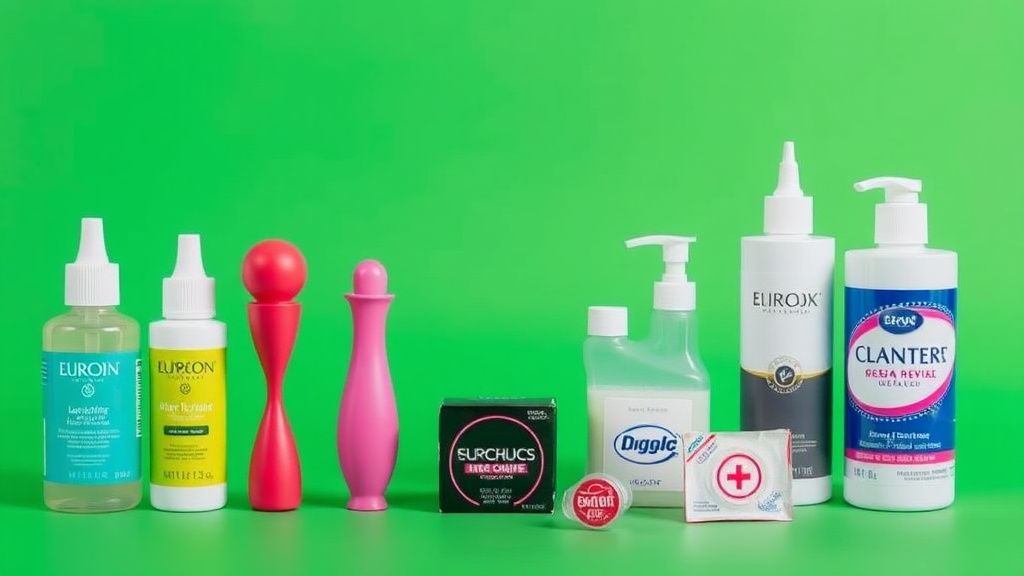
DIY Toy Cleaner vs. Commercial Products: What’s Best?
Keeping intimacy toys clean is essential for safety, longevity, and hygiene. But with so many cleaning options—from DIY solutions to specialized commercial products—how do you choose? Here’s a practical breakdown of the pros, cons, and best-use cases for each.
Why Cleaning Matters
Intimacy toys come into contact with sensitive areas, making proper cleaning non-negotiable. Residue, bacteria, or chemical irritants can lead to infections or degrade materials over time. The right cleaner depends on:
- Material compatibility (silicone, glass, ABS plastic, etc.).
- Porosity (non-porous vs. porous surfaces).
- Convenience (quick cleanups vs. deep sanitization).
DIY Toy Cleaners: Pros and Cons
Pros:
- Cost-effective: Uses household items like mild soap, baking soda, or vinegar.
- Customizable: Adjust ratios for sensitive skin (e.g., diluted soap for softer materials).
- Eco-friendly: Fewer chemicals and plastic packaging.
Cons:
- Inconsistent sanitization: May not kill all bacteria or viruses.
- Material risks: Harsh ingredients (e.g., bleach, alcohol) can damage toys.
- Time-consuming: Requires thorough rinsing and drying.
Best DIY Methods:
- Mild Soap + Warm Water: Ideal for non-porous silicone, glass, or stainless steel. Use fragrance-free soap to avoid irritation.
- Vinegar Solution (1:1 with water): A natural disinfectant for odor removal; rinse thoroughly.
- Baking Soda Paste: Gently scrubs residue off textured surfaces.
Avoid: Oil-based soaps (degrade silicone), abrasive scrubbers (scratch surfaces), or boiling unless the toy’s manufacturer explicitly approves it.
Commercial Toy Cleaners: Pros and Cons
Pros:
- Specialized formulas: Designed for specific materials (e.g., pH-balanced sprays for silicone).
- Convenience: Often no-rinse or quick-drying (useful for travel).
- Reliable sanitization: Some kill 99.9% of bacteria (check labels for testing claims).
Cons:
- Cost: Higher upfront price than DIY.
- Chemical sensitivities: Some contain preservatives or fragrances that irritate.
- Environmental impact: Packaging and synthetic ingredients may be less sustainable.
Types of Commercial Cleaners:
- Sprays/Wipes: Portable and fast for non-porous toys; avoid wipes with alcohol if your toy is TPE/TPR.
- Foams/Gels: Better for textured toys; often require rinsing.
- UV Sanitizers: Effective for non-porous materials but pricey.
Safety First: Key Considerations
- Material Compatibility:
- Silicone/Glass/ABS Plastic: Safe with most cleaners; avoid acetone or petroleum-based products.
- TPE/TPR/Jelly Rubber: Porous; requires gentle, antibacterial cleaners (never boil or bleach).
- Skin Sensitivity: Fragrance-free, hypoallergenic options reduce irritation risks.
- Shared Toys: Use stronger sanitizers (e.g., 10% bleach solution for non-porous toys only if manufacturer-approved).
What to Look for in a Cleaner
Whether DIY or commercial, prioritize:
- Non-toxic ingredients: Avoid parabens, phthalates, or harsh alcohols.
- Certifications: Look for body-safe seals (e.g., FDA-compliant, ISO-certified).
- Ease of use: Fast-drying or no-rinse formulas save time.
- Odor control: Enzymatic cleaners help break down organic residue.
Final Verdict
Choose DIY if: You have non-porous toys, prefer eco-friendly options, or need a budget-friendly solution.
Choose commercial if: You want guaranteed sanitization, convenience, or have porous toys requiring specialized care.
Tip: Always check your toy’s care instructions first—when in doubt, mild soap and water is a safe default.