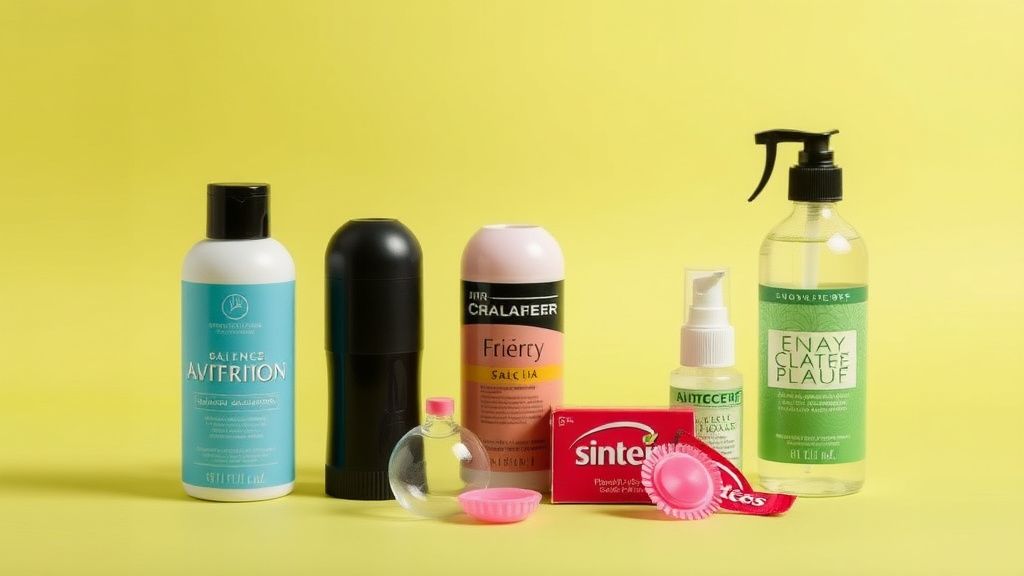
Understanding Intimate Wipes and Cleansers
Intimate wipes and cleansers are specially formulated hygiene products designed for the sensitive skin of the genital area. Unlike regular soaps or body washes, these products maintain the natural pH balance of intimate skin while gently cleansing and refreshing. They are particularly useful for maintaining comfort and hygiene before or after intimacy, during travel, after workouts, or for daily use.
These products come in two primary forms:
- Pre-moistened wipes: Convenient, single-use cloths infused with gentle cleansing solutions.
- Liquid cleansers: Wash-off formulas designed for use in the shower or bath.
Both types are typically free from harsh chemicals like parabens, sulfates, and artificial fragrances, which can disrupt the delicate microbiome of intimate areas.
Key Benefits of Intimate Wipes and Cleansers
1. pH-Balanced Formulations
The vaginal area naturally maintains a slightly acidic pH (around 3.8–4.5) to prevent bacterial overgrowth. Many intimate wipes and cleansers are pH-matched to this range, reducing the risk of irritation or infections like yeast or bacterial vaginosis.
2. Gentle Cleansing Without Disruption
Harsh soaps can strip natural oils and disrupt the skin’s protective barrier. Intimate hygiene products use mild surfactants (e.g., coconut-based cleansers) and soothing ingredients like aloe vera or chamomile to cleanse without causing dryness or irritation.
3. Convenience for On-the-Go Use
Pre-moistened wipes are ideal for travel, post-workout refreshment, or moments when showering isn’t immediately possible. Individually wrapped options ensure portability and hygiene.
4. Support for Sensitive Skin
Those with conditions like eczema or dermatitis may find traditional soaps too abrasive. Hypoallergenic intimate wipes and fragrance-free cleansers minimize the risk of reactions.
5. Post-Intimacy Refreshment
While not a substitute for proper hygiene, gentle wipes can help remove sweat, lubricants, or bodily fluids after sex, reducing discomfort or odor.
Types of Intimate Wipes and Cleansers
1. Everyday Use Formulas
Designed for mild, frequent cleansing, these are often fragrance-free and contain minimal ingredients to avoid irritation.
2. Post-Sex or Specialty Wipes
Some wipes include light moisturizers (like vitamin E) or cooling agents (such as witch hazel) for added comfort after intimacy.
3. Menstrual-Support Products
Wipes with soothing botanicals (e.g., calendula) can ease irritation during periods, while cleansers may help remove residue from menstrual products.
4. Gender-Inclusive Options
Many products are marketed for all genders, with pH-balanced formulations suitable for external genital use regardless of anatomy.
What to Look for in Intimate Wipes and Cleansers
When selecting a product, prioritize safety and compatibility with your skin:
- pH-balanced: Aim for a pH of 3.8–4.5 for vulvar use or neutral (5–7) for general intimate hygiene.
- Hypoallergenic: Free from dyes, alcohol, and synthetic fragrances if you have sensitive skin.
- Ingredient transparency: Look for recognizable, plant-based ingredients and avoid irritants like SLS or parabens.
- Dermatologist-tested: Products tested for safety on sensitive skin are preferable.
- Eco-friendly options: Biodegradable wipes or refillable cleanser bottles reduce environmental impact.
Safe Usage Tips
- Avoid internal use: Wipes and cleansers are for external application only.
- Patch test first: Try a small amount on your inner arm to check for reactions.
- Don’t overuse: Excessive cleansing can disrupt natural flora. Stick to 1–2 times daily unless needed.
- Pair with water: For cleansers, rinse thoroughly; for wipes, follow with a water rinse if irritation occurs.
Conclusion
Intimate wipes and cleansers offer a practical, gentle way to maintain hygiene without compromising skin health. By choosing pH-balanced, hypoallergenic products tailored to your needs, you can enhance comfort and confidence in daily life or after intimacy. Always prioritize formulations backed by dermatological testing and consult a healthcare provider if you experience persistent irritation or discomfort.