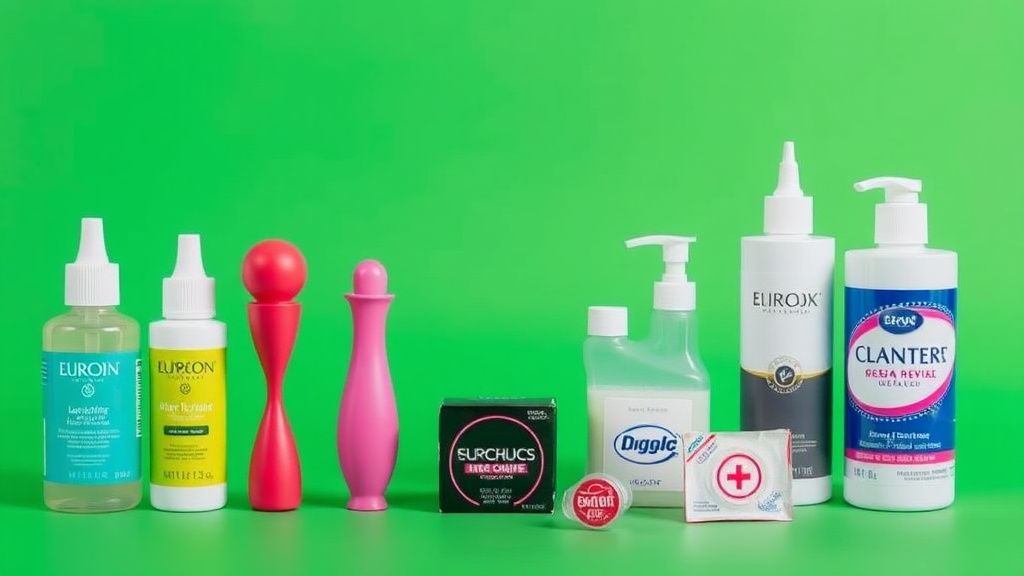
Why Choose Organic & Natural Lubricants?
Conventional lubricants often contain synthetic ingredients like parabens, glycerin, or petroleum-based compounds, which can disrupt pH balance, cause irritation, or trigger allergies. Organic and natural lubricants prioritize body-safe, plant-derived, or food-grade ingredients, making them ideal for sensitive skin, eco-conscious consumers, or those avoiding synthetic additives.
Key benefits include:
- Fewer irritants: Free from harsh chemicals, dyes, or fragrances.
- Biocompatibility: Ingredients like aloe vera or coconut oil mimic the body’s natural moisture.
- Eco-friendly: Biodegradable formulas and sustainable packaging are common.
Types of Organic & Natural Lubricants
Water-Based Formulas
Ideal for versatility and toy compatibility, water-based organic lubes often feature:
- Plant-derived thickeners (e.g., flaxseed extract, agar).
- Moisturizers like aloe vera or hyaluronic acid for added hydration.
- pH-balanced formulations to support vaginal or anal health.
Best for: Everyday use, silicone toys, and sensitive skin.
Oil-Based Formulas
Derived from natural oils (coconut, jojoba, or sunflower), these offer long-lasting glide but require caution:
- Avoid with latex condoms (oil degrades latex).
- Rich texture: Suitable for massage or extended play.
Best for: Non-latex barrier use (e.g., polyurethane condoms) or solo play.
Silicone-Based (Hybrid) Formulas
Some silicone lubes blend plant oils with dimethicone (medical-grade silicone) for a silkier feel.
- Long-lasting and waterproof.
- Check purity: Opt for platinum-cured silicone (no fillers).
Best for: Shower use or when water-based lubes dry too quickly.
Ingredient Spotlights: The Good & The Cautious
Safe, Effective Ingredients
- Aloe vera: Soothes and hydrates; common in water-based lubes.
- Coconut oil (fractionated): Lightweight and antimicrobial (avoid with latex).
- Chia seed extract: Omega-3s may support tissue elasticity.
Ingredients to Approach Carefully
- Essential oils: Some (e.g., tea tree) can irritate mucous membranes—opt for diluted, skin-safe versions.
- Citric acid: While pH-balancing, high concentrations may sting.
- Natural sugars: Avoid in vaginal lubes (can feed yeast).
Special Considerations for Safety & Comfort
Vaginal Health
- pH matters: Look for lactobacillus-supportive formulas (pH 3.8–4.5).
- Osmolality: High-osmolality lubes (e.g., those with glycerin) may cause dryness or irritation.
Anal Use
- Thicker textures: Oil or silicone-based lubes reduce friction.
- Avoid numbing agents: Natural doesn’t mean risk-free; desensitizing ingredients can mask injury.
Allergies & Sensitivities
Patch-test new lubes on your inner arm before use. Common allergens include:
- Bee products (propolis, honey).
- Tree nuts (almond oil, shea butter).
What to Look for When Buying
- Certifications: USDA Organic, ECOCERT, or vegan labels ensure ingredient integrity.
- Compatibility: Check if the lube works with condoms, toys, or your body’s needs.
- Preservatives: Natural options (e.g., radish root ferment) are safer than parabens.
- Texture preference: Lightweight (water-based) vs. long-lasting (oil/silicone).
- Packaging: Airless pumps or dark glass bottles prevent contamination.
Final Thoughts
Organic and natural lubricants offer a safer, often more sustainable alternative to conventional options—but not all formulas suit every body or activity. Prioritize transparency (full ingredient lists), avoid known irritants, and experiment mindfully. Whether you’re seeking hydration, toy-safe glide, or eco-conscious intimacy, there’s a natural lube to match your needs.