Why Specialized Toy Cleaners Matter
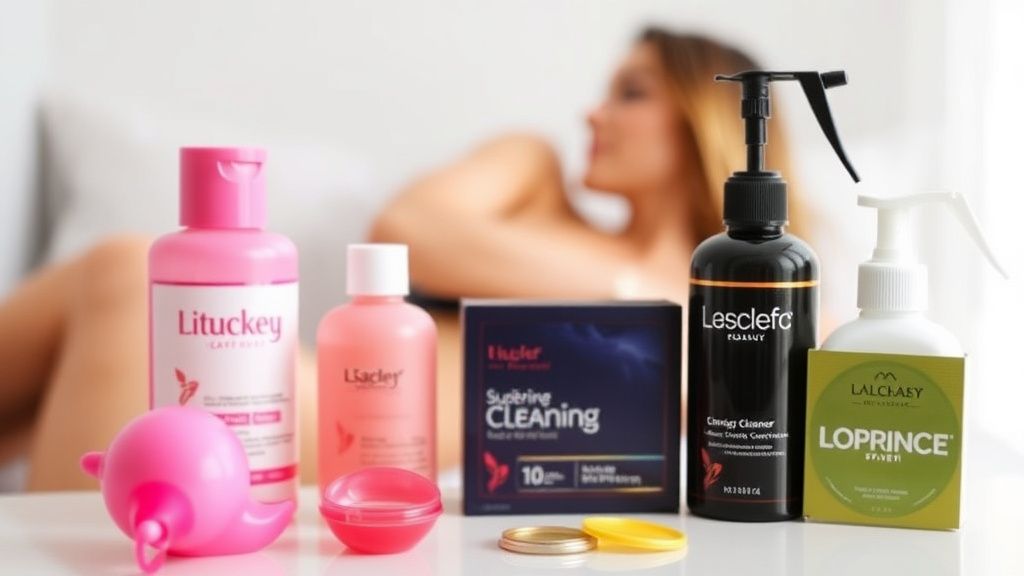
Adult toys come in a variety of materials—silicone, glass, metal, thermoplastic elastomer (TPE), and porous plastics—each requiring different care to maintain hygiene and longevity. While mild soap and water work for some, specialized cleaners offer deeper sanitization, material compatibility, and convenience. Using the wrong cleaner can degrade materials, harbor bacteria, or cause irritation, making it essential to match your cleaner to your toy’s composition.
Silicone Toys: Non-Porous but Needs Care
High-quality silicone is non-porous, hypoallergenic, and durable, but it can still degrade if cleaned improperly.
- Recommended Cleaners: Alcohol-free foams or sprays designed for silicone are ideal. Some silicone-safe cleaners also contain antibacterial agents like benzalkonium chloride for added protection.
- Avoid: Harsh solvents (acetone, bleach) or oil-based soaps, which can break down silicone over time.
- Extra Care: Boiling or using a UV sterilizer is an option for pure silicone (no motors or electronics).
Glass & Metal: Sterilization-Friendly Options
Glass and stainless-steel toys are non-porous and tolerate stronger cleaning methods.
- Recommended Cleaners: Antibacterial sprays or wipes with high alcohol content (70% isopropyl alcohol) work well. Glass toys can also be cleaned in the dishwasher (top rack, no detergent pods).
- Avoid: Abrasive scrubs that could scratch surfaces.
- Extra Care: For shared toys, sterilize in boiling water for 3–5 minutes (ensure no glued parts).
TPE & Porous Plastics: Gentle but Thorough
TPE and other porous materials require extra attention because they harbor bacteria and degrade faster.
- Recommended Cleaners: Mild, fragrance-free liquid soaps or enzymatic cleaners that break down organic residues without damaging the material.
- Avoid: Alcohol or strong disinfectants, which can dry out and crack TPE.
- Extra Care: Air-dry thoroughly and store separately to prevent cross-contamination. Replace porous toys more frequently (every 6–12 months).
Motorized & Electronic Toys: Water-Safe Solutions
Toys with batteries or rechargeable components need water-safe cleaning to avoid damage.
- Recommended Cleaners: pH-balanced, waterproof sprays or wipes that won’t seep into seams. Look for “electronics-safe” labels.
- Avoid: Submerging or spraying directly on charging ports.
- Extra Care: Use a damp microfiber cloth for crevices and dry immediately.
Specialty Cleaners for Enhanced Safety
Some cleaners offer added benefits:
- Antimicrobial Formulas: Ideal for shared toys or those used anally.
- Foaming Cleaners: Easier to rinse off, reducing residue risk.
- Odor-Neutralizing Options: Helpful for strong-smelling materials like TPE.
What to Look for in a Toy Cleaner
When shopping, prioritize:
- Material Compatibility: Check labels for your toy’s specific material (e.g., “safe for silicone”).
- Ingredients: Avoid parabens, phthalates, and harsh alcohols if your toy is porous or sensitive.
- Convenience: Wipes for travel, sprays for quick cleanups, or foams for deep cleaning.
- Certifications: Look for body-safe, dermatologist-tested, or sex-toy-specific approvals.
Final Tips for Longevity & Safety
- Always rinse thoroughly after cleaning to avoid residue.
- Store toys in breathable pouches or containers away from direct sunlight.
- When in doubt, patch-test a small area first.
By matching your cleaner to your toy’s needs, you’ll ensure both safety and lasting performance.