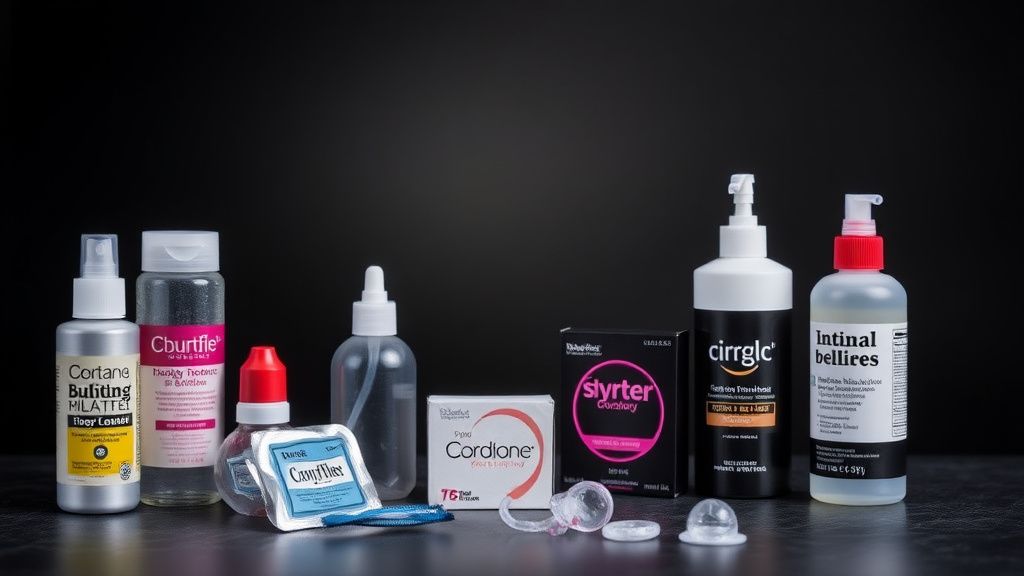
Why Cleaning Adult Toys Is Essential
Proper cleaning of intimacy products is critical for hygiene, longevity, and safety. Toys made from porous materials can harbor bacteria, while non-porous options still require regular sanitization to prevent irritation or infections. Using the right cleaner ensures residue-free surfaces and preserves material integrity, especially for silicone, glass, or thermoplastic elastomer (TPE) products.
Types of Toy Cleaners
1. Spray Cleaners
Spray cleaners are convenient for quick disinfection, especially for non-electronic toys. Look for alcohol-free formulas to avoid drying out materials. Most sprays are designed to air-dry, eliminating the need for rinsing—ideal for waterproof toys.
2. Foam or Liquid Washes
These are versatile and work well for deep cleaning. Foam cleansers often come with gentle applicators for textured toys, while liquid washes may require rinsing. Opt for pH-balanced options to avoid disrupting natural flora if used near sensitive areas.
3. Wipes
Disposable wipes are perfect for travel or on-the-go cleaning. Choose fragrance-free, hypoallergenic wipes to minimize skin irritation. However, they’re best for interim cleaning rather than thorough sanitization.
4. UV Sanitizers
UV-C light sanitizers are effective for non-porous materials like silicone and metal. They kill bacteria without chemicals but aren’t suitable for all materials (e.g., TPE or jelly rubber).
5. Toy Cleaning Machines
These are specialized devices that use steam or ultrasonic waves to sanitize toys. They’re efficient but often limited to waterproof, non-motorized items.
Material-Specific Cleaning Tips
- Silicone: Use mild soap and warm water or a dedicated toy cleaner. Boiling or dishwasher-safe options exist for high-grade silicone.
- TPE/TPR: Avoid heat. Clean with gentle soap and water, then pat dry to prevent bacterial growth.
- Glass/Metal: Dish soap or alcohol-based sprays work well, but ensure thorough drying to prevent water spots.
- Porous Materials (e.g., jelly rubber): Replace frequently; clean with mild soap but note they can’t be fully sanitized.
What to Look for in a Toy Cleaner
- Material Compatibility
- Ensure the cleaner is safe for your toy’s material (e.g., silicone-safe, non-damaging to electronics).
- Ingredients
- Avoid parabens, sulfates, and harsh alcohols. Opt for plant-based or antibacterial ingredients like tea tree oil (in safe concentrations).
- Ease of Use
- Spray bottles, no-rinse formulas, or pre-moistened wipes simplify the process.
- Certifications
- Look for body-safe certifications (e.g., FDA-compliant, dermatologist-tested).
- Travel-Friendly Options
- Leak-proof packaging or TSA-compliant sizes are useful for discretion.
Common Cleaning Mistakes to Avoid
- Using Household Cleaners: Bleach or scented soaps can degrade materials or cause irritation.
- Skipping Drying: Moisture breeds bacteria. Always air-dry or use a clean towel.
- Overlooking Crevices: Textured toys need extra attention to remove lube or residue.
Storing Clean Toys Properly
After cleaning, store toys in a cool, dry place. Use breathable fabric bags or dedicated cases to prevent dust buildup. Keep them separate to avoid material reactions (e.g., silicone touching TPE).
Final Thoughts
Investing in the right cleaner prolongs your toy’s life and ensures safe use. Prioritize products tailored to your toy’s material and your lifestyle—whether you need quick wipes or a thorough sanitizing system. Regular maintenance is the key to both performance and peace of mind.